 since 2017
By the numbers: if you had invested $1,000
5 years ago
$3 599
from Oct 2021 · +29% a year on average
Entire listed history
$2 844
from Sep 2019 · +16% a year on average
Deepest drawdown
-79%
from the Jan 2021 peak to May 2022
Now vs. peak
-58%
Jul 2025
Price history — log scale: equal height means equal percentage change
Numbers on the chart match events in the timeline.
Based on monthly closes with dividends reinvested (source: Yahoo Finance, HIMS). Past performance does not guarantee future results.
A two-and-a-half-dollar stock
May 2022. On Wall Street the "pandemic winners" are collapsing one after another: Zoom, Peloton, dozens of stay-at-home businesses. Among them is a small telehealth company that went public via a SPAC a year earlier — Hims & Hers.
In February 2021 the stock had climbed to about $25. In May 2022 it briefly dropped to $2.72 — almost 90% below the peak. To many investors it was just another frothy SPAC.
What happened over the next three years surprised all of them. In February 2025 the stock approached $73 — roughly 27 times its 2022 low. Put differently, $1,000 invested at the worst moment would have become more than $26,000 in under three years (based on intraday lows and highs in Yahoo's weekly data; nobody realistically catches such exact points).
What caused such a leap? The answer is a small idea colliding with an unexpectedly huge market. But first, where did the idea come from?
A doctor in your smartphone
Hims & Hers was born in November 2017 in San Francisco inside Atomic Labs, a "startup studio." The founders were entrepreneurs Andrew Dudum, Jack Abraham and Hilary Coles. Dudum is still the CEO.
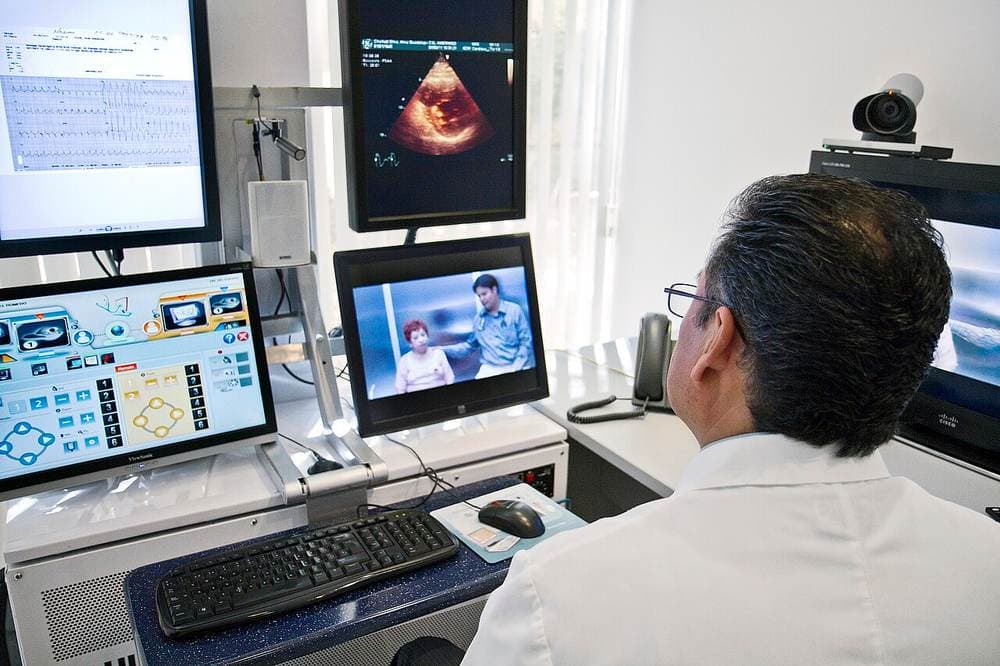
The idea was simple: many people are embarrassed or too busy to see a doctor about problems that are easy to treat — hair loss, skin issues or sensitive men's health concerns. What if the patient filled out an online questionnaire, a licensed doctor reviewed it remotely, and an inexpensive generic (off-patent) medicine was delivered home every month?
The company launched with the hims brand for men and added hers for women's health in 2018. The model was built on subscriptions: customers pay monthly, not once. In January 2019 the company raised $100 million at a $1 billion valuation. In 2020 it added mental-health services.
Then the pandemic hit and telehealth suddenly became normal. That gave Hims a perfect window to go public — but the route it chose led to its hardest years.
SPAC: the fast lane and its price
In October 2020 Hims announced a merger with Oaktree Acquisition Corp., led by well-known investor Howard Marks. It was a SPAC — a "blank-check" company that lists first, raises cash and then merges with a private company to bring it public. Faster and easier than a traditional IPO.
The deal closed on January 20, 2021. The company was valued at about $1.6 billion and began trading on the New York Stock Exchange under HIMS the next day, receiving roughly $280 million in proceeds.
At first things went well: in February 2021 the stock topped $25. But in 2021–2022 most SPAC listings collapsed — many missed their promises, some turned into outright fraud (remember Nikola). Interest rates rose and unprofitable growth stocks were punished hard.
Hims was losing money too. But one thing kept going: subscribers. By the end of 2023 it had more than 1.5 million, and annual revenue reached $872 million — even though the year still ended with a $23.5 million net loss. The business was quietly getting bigger. It just needed a spark.
The spark: semaglutide
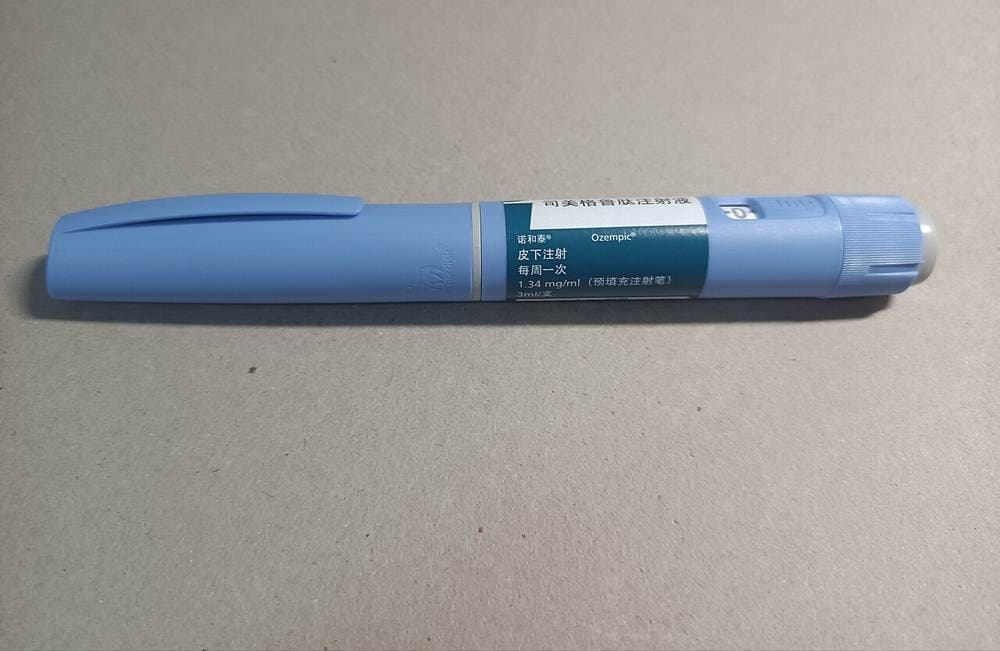
In 2023–2024 a new class of drugs shook the world: GLP-1 medicines. The best known is semaglutide from Denmark's Novo Nordisk (brands Ozempic and Wegovy). These drugs proved highly effective for weight loss, and demand rose so fast that the US declared an official shortage.
US law has an exception: while a drug is on the official shortage list, specialized pharmacies may make compounded copies of it. The key difference: the FDA does not separately review such copies for safety and efficacy.
On May 20, 2024, Hims used exactly that window, offering compounded semaglutide starting at $199 a month. For comparison, Wegovy's list price was $1,349 at the time. Hims shares jumped more than 30% that day.
Hims's ready-made machine — online doctors, subscriptions, delivery — was now plugged into the hottest market around. In September 2024 it even bought its own 503B compounding facility (MedisourceRx). Results came quickly: 2024 revenue grew 69% to $1.48 billion, subscribers reached 2.2 million and the company posted $126 million in net income for the year (including a one-time $68 million tax benefit).
One more detail matters: the non-GLP-1 business also grew 43% to over $1.2 billion. Hims was not growing on one drug alone. But the market's attention was on semaglutide — and it drew Hims into a risky game.

The peak: the Super Bowl and 27x
In February 2025 Hims bought America's most expensive ad slot — the Super Bowl. Its 60-second "Sick of the System" spot was the first Super Bowl ad to promote GLP-1 weight-loss treatment. Public-health experts and some senators criticized it for leaving out side-effect information and urged the FDA to act.
The market, though, was euphoric. In mid-February the stock neared ~$73. From ~$2.72 in May 2022 that is roughly 27x — in 2 years and 9 months. Even from the ~$5.65 level of October 2023 it was about 13x in 16 months.
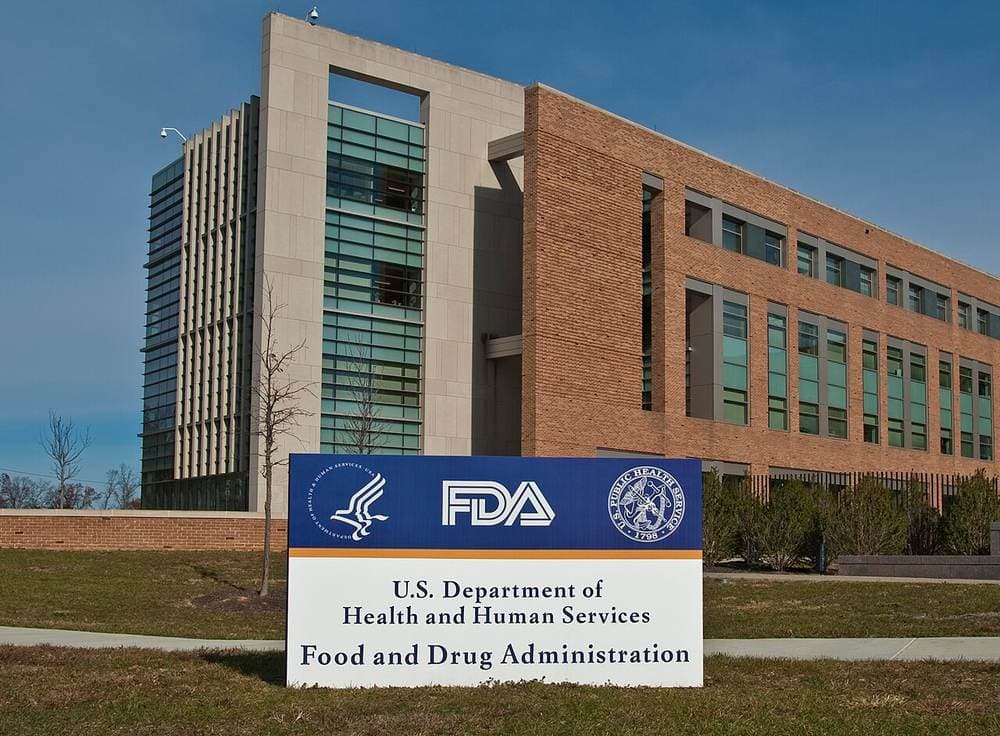
But in those same days the foundation began to shift. On February 21, 2025, the FDA declared the semaglutide shortage resolved. The main legal basis for compounded copies was going away; the FDA gave pharmacies a transition period until April–May 2025. Within weeks, Hims stock fell more than half from its peak.
That is the most dangerous question for any multibagger: what does the growth rest on, and how solid is that support?
A short "friendship" with Novo Nordisk
In April 2025 came a surprise: Novo Nordisk and Hims announced a collaboration — branded, official Wegovy would be sold on the Hims platform. The stock rose again.
The friendship did not last two months. On June 23, 2025, Novo Nordisk unilaterally ended the collaboration, citing Hims's "deceptive promotion and selling of illegitimate, knockoff versions of Wegovy" — in other words, Hims kept selling compounded semaglutide. Hims shares fell more than 30% in a day, and shareholders filed several securities lawsuits.
Pressure only grew from there:
- August 2025: Bloomberg reported that the FTC had been investigating Hims's advertising claims and subscription-cancellation practices for over a year.
- September 9, 2025: the FDA sent Hims a warning letter faulting website claims that its compounded products contained "the same active ingredient" as FDA-approved Ozempic and Wegovy.
Even so, the business kept growing: 2025 revenue was $2.35 billion with $128 million in net income. Hims bought Europe's ZAVA platform, expanding into Germany, France and Ireland. But the hardest blow was still to come.
February 2026: one week changed everything
In early February 2026 Hims made another bold move: it launched a compounded semaglutide pill priced below Novo's newly approved Wegovy pill.
The response came within days:
- February 6: the FDA announced "decisive steps" against mass-marketed, unapproved compounded GLP-1 products. The general counsel of the US Department of Health and Human Services (HHS) said he had referred Hims to the Department of Justice over potential violations of federal law.
- Hims announced it would pull the pill from its platform.
- February 9: Novo Nordisk sued Hims for infringing a patent that protects the semaglutide molecule until December 2031.
By late February the stock had fallen to ~$13.70 — about 81% below its February 2025 peak. Much of the 27x gain vanished in just over a year. Still, that level was about 5x above the 2022 bottom.
The same month Hims announced a deal to buy Australia's Eucalyptus and launched in Australia in September 2026. The company is trying to reduce its reliance on compounded drugs and work with branded medicines. Whether that succeeds, only time will tell.
What this story teaches
- 1
Ready infrastructure + a big wave = multibagger
Hims did not invent GLP-1 drugs. But it had an online clinic, a subscription system and millions of customers. When a wave arrives, the company with a system ready to catch it first wins.
- 2
Know which legal footing the growth rests on
A key part of Hims's growth depended on a temporary exception — an official drug shortage. When it ended, the business collided with regulators, the patent holder and the courts. If a company makes money around someone else's patented product, weigh that risk separately.
- 3
A 27x stock can also fall 80%
Hims fell ~89% in 2021–2022 and ~81% in 2025–2026. Multibaggers swing in multiples too. Never bet all your savings on one.
- 4
Look at earnings quality
Part of the $126 million profit in 2024 was a one-time tax item. Beyond the headline number, check where the profit comes from and whether it will repeat.
- 5
For the halal investor
A company's halal status depends on its business and financial ratios and can change over time. Check the current status on the HIMS page.
Today
Halal status
HalalThe status is re-checked after every quarterly report and may change.
Timeline
2017-11
Andrew Dudum, Jack Abraham and Hilary Coles found Hims
2018
hers brand for women's health launched
2019-01
$100M raised at a $1B valuation
- 1
2021-01
Oaktree SPAC merger closes; trading starts on NYSE (~$1.6B)
- 2
2021-02
Stock tops ~$25
- 3
2022-05
Low point: ~$2.72 (~-89% from peak)
- 4
2024-05
Compounded semaglutide from $199/month; stock +30% in a day
- 5
2025-02
Super Bowl ad; peak ~$73 (~27x); FDA declares shortage resolved
- 6
2025-04
Collaboration with Novo Nordisk
- 7
2025-06
Novo ends the collaboration; stock falls 30%+
- 8
2025-09
FDA warning letter
- 9
2026-02
Compounded pill, FDA/HHS pressure, Novo lawsuit; stock ~$13.70
- 10
2026-09
Launch in Australia via Eucalyptus
Frequently asked questions
What does Hims & Hers do?+
Hims & Hers is a US telehealth company. Customers complete an online consultation with a doctor, then prescription and over-the-counter medicines and personal-care products are delivered home on a subscription. Categories include hair loss, skin, mental health and weight loss.
How much did Hims stock rise?+
Based on Yahoo's weekly data, the stock rose from ~$2.72 in May 2022 to ~$73 in February 2025 — roughly 27x. It then fell about 81% from the peak by February 2026.
Why did Hims stock fall so sharply?+
The main reasons: in February 2025 the FDA declared the semaglutide shortage over, in June 2025 Novo Nordisk ended its collaboration, and in February 2026 the FDA and HHS announced action against compounded GLP-1 products while Novo filed a patent lawsuit.
Is Hims stock halal?+
Halal status depends on the company's business and financial ratios and can change over time. See the current status on limitup's HIMS page.
For every super-company there are dozens that never made it. For balance, read the Fallen giants stories too. Fallen giants →
Find companies like these yourself
Limitup covers the halal status, financials, superinvestor portfolios and a screener for thousands of US stocks. Check the signs from these stories in today's companies.
Read next

Novo Nordisk tarixi: insulin va Ozempic qanday qilib Yevropaning eng qimmat kompaniyasini yaratdi va nega u keyin qulab tushdi
Bir shifokor ayolning qandli diabeti bilan boshlangan 100 yillik hikoya. Unda o'n yillab sabr, bitta mo''jizaviy dori va eng yaxshi kompaniyalar ham qanday tez qulashi mumkinligi haqidagi saboq bor.
6 min read
Nikola tarixi: tepalikdan dumalatilgan yuk mashinasi va $30 milliardlik va'da
Bitta ham tayyor mahsulotsiz Ford'dan qimmatroq baholangan, asoschisi firibgarlikda aybdor deb topilgan va oxiri bankrot bo'lgan vodorod yuk mashinasi kompaniyasi.
6 min read
Peloton tarixi: pandemiya qahramonidan 95% qulagan aksiyagacha
Butun dunyo uyda qamalib qolganda hamma uni xohladi. Eshiklar ochilgach esa ma'lum bo'ldiki, kompaniya vaqtinchalik talabni abadiy deb o'ylagan ekan.
6 min read
Zoom tarixi: kompaniya g'alaba qildi, aksiya esa 90% qulab tushdi
Pandemiyada butun dunyoni bir-biriga bog'lagan, bugun ham milliardlab foyda ko'radigan kompaniya. Uning aksiyasini cho'qqida sotib olganlar esa pulining katta qismini yo'qotdi. Qanday qilib?
6 min read