October 15, 2026 was a hard day for Korea's stock market: the Kospi fell 7.57% in a single session, closing at 5,554.22. It was not just Korea's problem — artificial intelligence (AI) and chip stocks were sold all over the world. Let's answer three questions: what happened, how the market reacted and what to watch next.
 Korea Exchange
 Samsung Electronics
 SK hynix
 South Korea
What happened
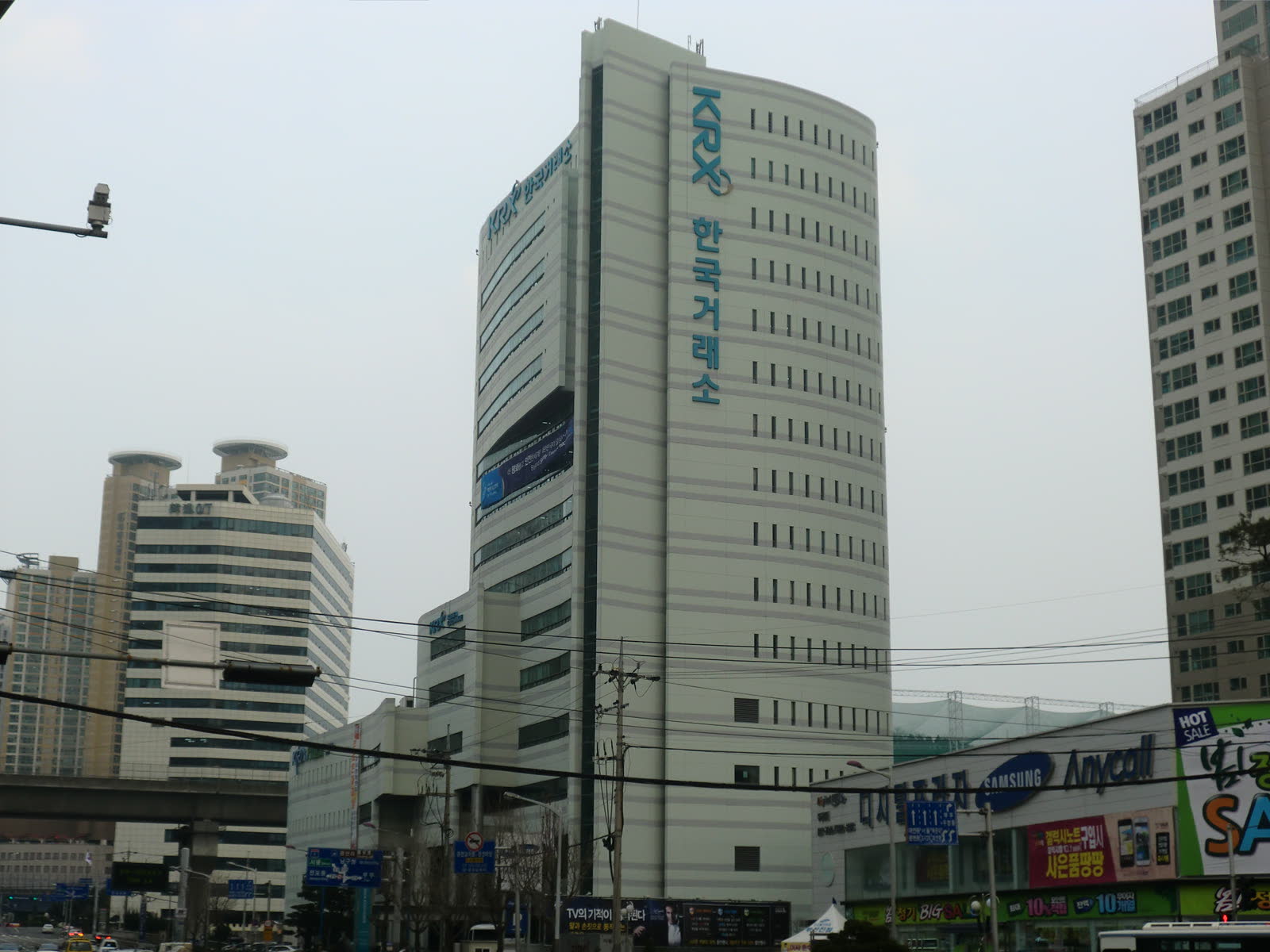
The drop was so fast that at 12:38 the exchange halted trading for 20 minutes — intraday the index had been down more than 9%. The world's largest memory-chip makers were hit hardest (Korea Herald):
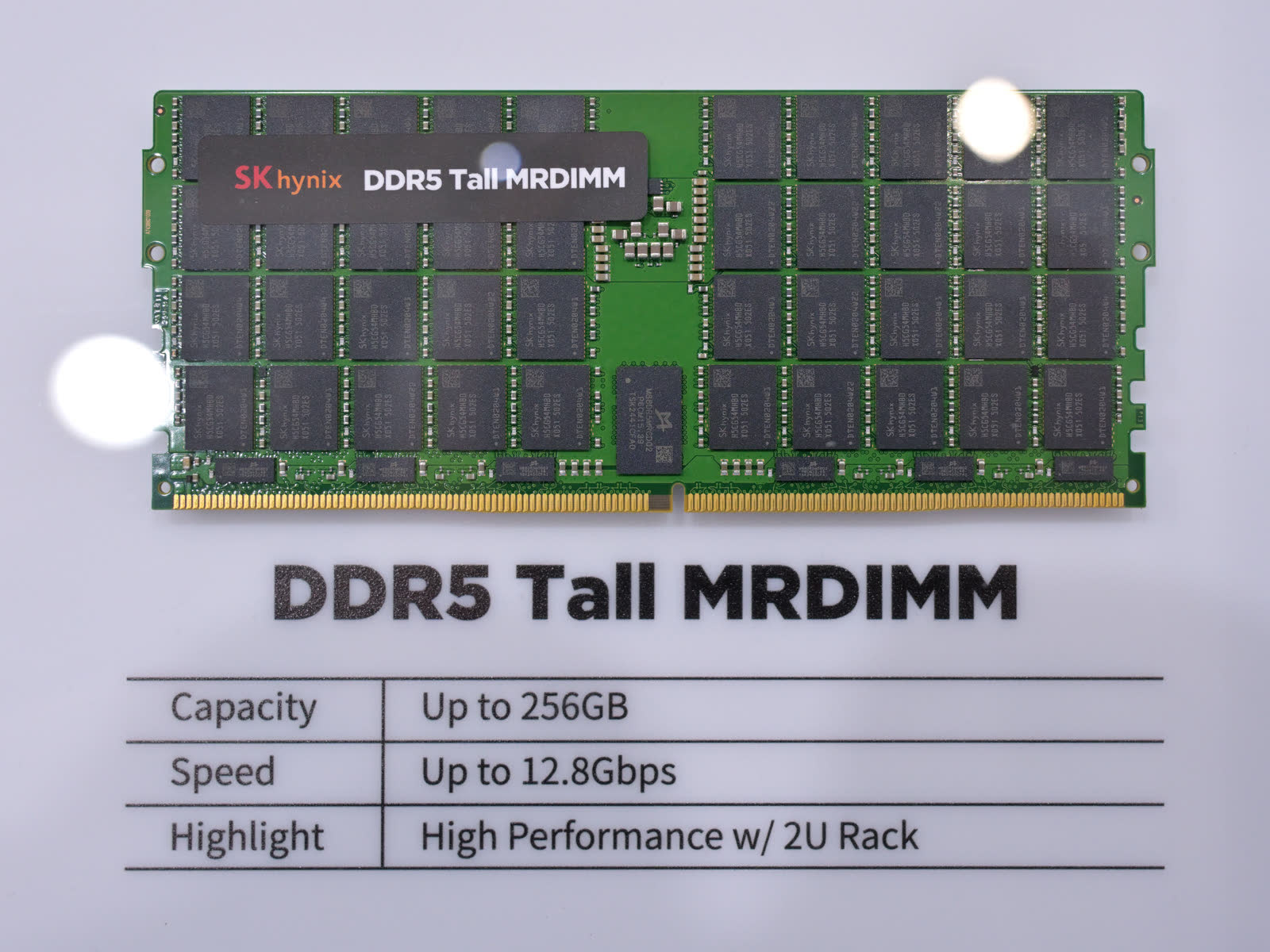
- SK hynix — −11.06%;
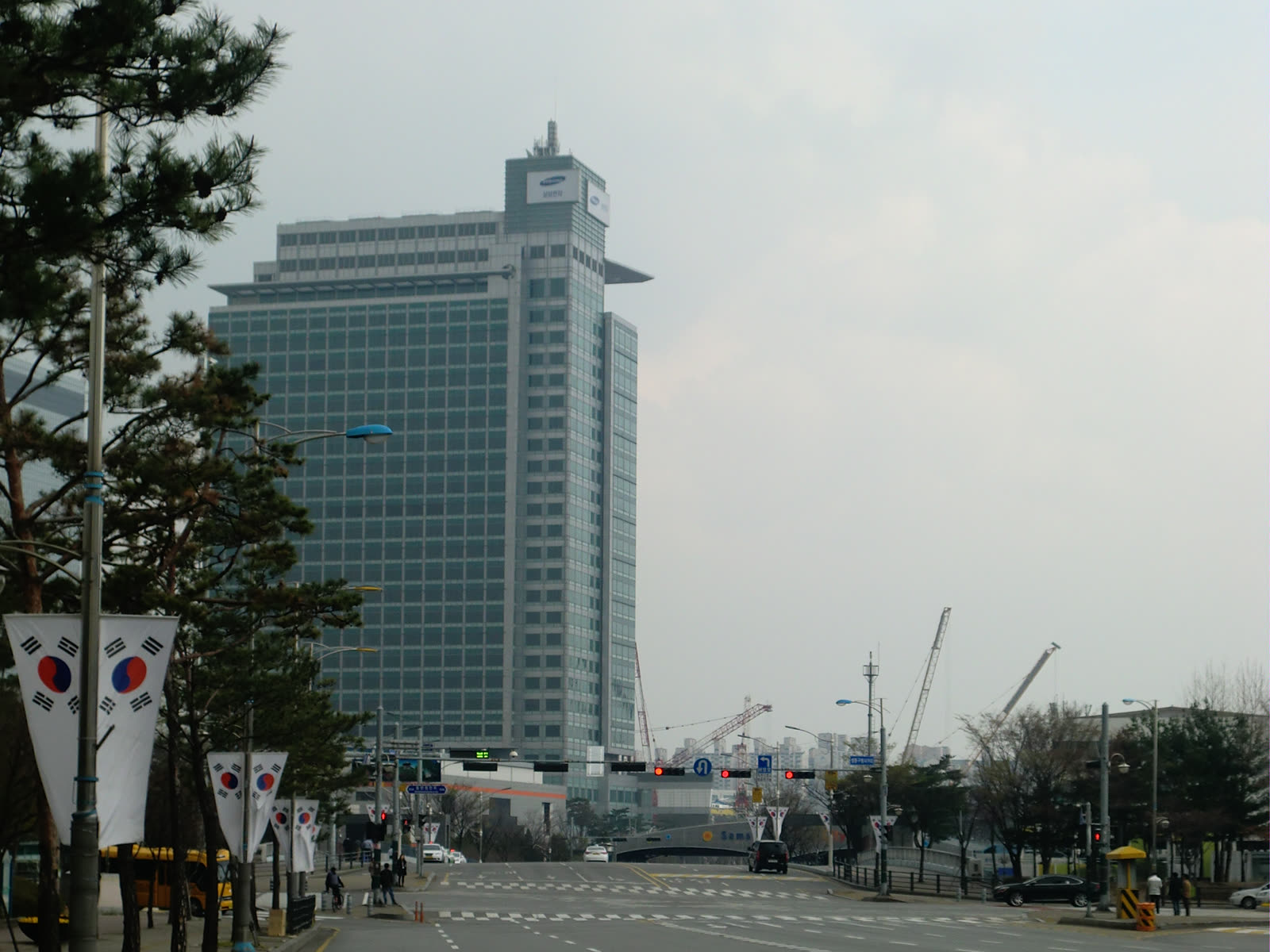
- Samsung Electronics — −9.48%;
- foreign investors sold 3.62 trillion won (~$2.7bn) of shares that day.
These chips also go into AI servers, so Korea's market is closely tied to AI sentiment.
Not just Korea
- By CNBC's count, the world's 20 largest AI and chip stocks lost more than $1 trillion in market value between October 12 and 15 (four trading days) (Kyunghyang Shinmun);
- the US semiconductor fund SOXX fell 8 days in a row — its longest losing streak since September 2015 (GuruFocus).
Why?
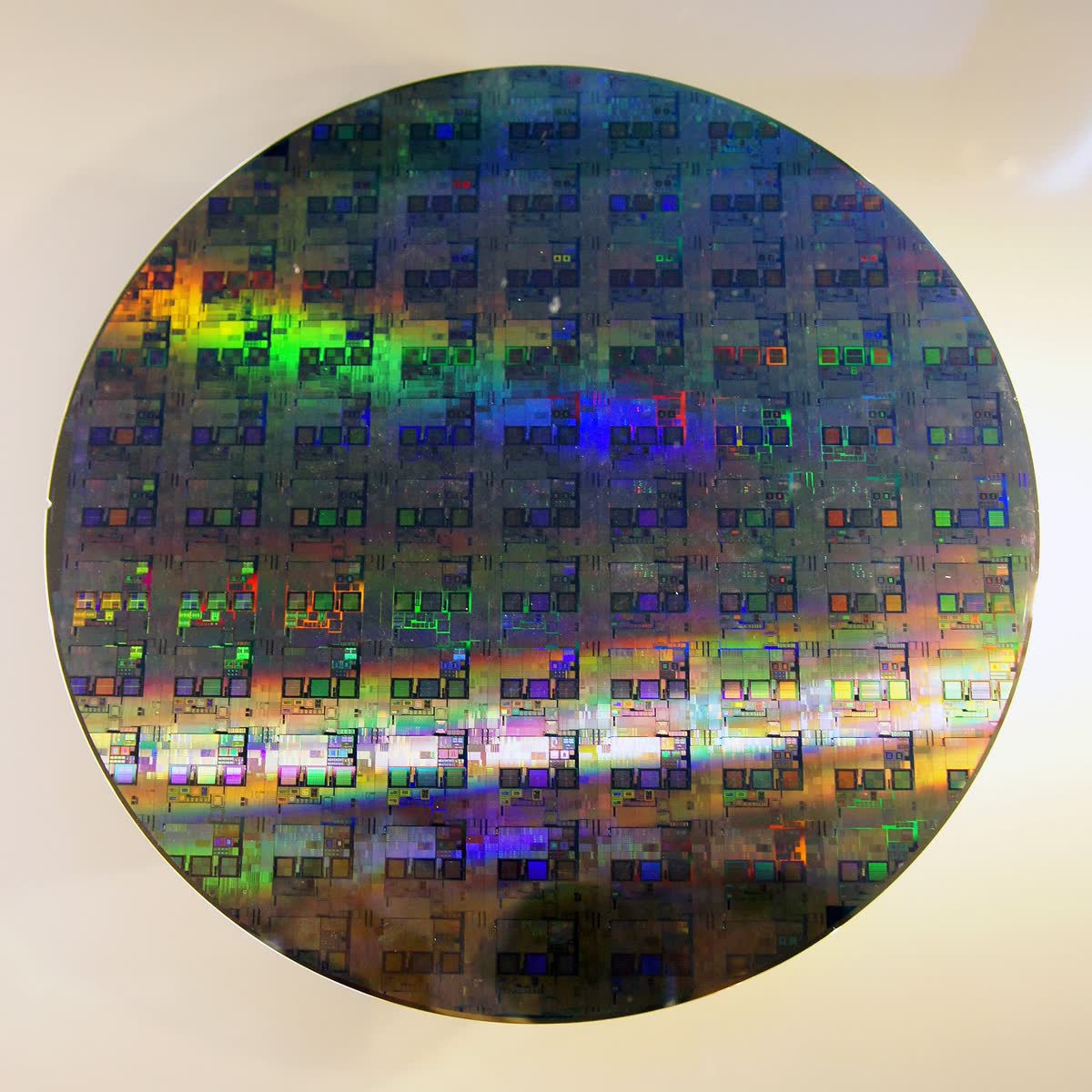
Sources point to three causes (Bloomberg):
- Rate risk. US inflation came in hotter than expected — worry that the Fed may raise rates again. A rate is the price of borrowing; when it rises, stocks priced on future profits come under pressure.
- Debt for AI. AI infrastructure is being built with a lot of borrowed money — doubts grew about whether that spending will pay off.
- Competition from China. China's CXMT showed new memory-chip technology — a risk of pricing pressure.
How the market reacted
On October 16 the Kospi rose 2.05% to close at 5,668.05 — its first gain after seven straight down days (Seoul Economic Daily). But the October 15 loss was not fully recovered, and analysts say it is too early to call a change in trend.
What to watch next
- Chip makers' quarterly reports — the numbers will show whether AI demand is really slowing or this is just sentiment.
- The Fed meeting on October 27–28 (Fed calendar). The rate decision affects the whole market.
- The short lesson: not panic — the cause. A one-day rebound is not a turnaround yet, and a one-day crash is not the end either. A market tied to one sector moves together with that sector.
For information only — not investment advice. Figures refer to the dates shown.
Terms in this article
Check halal stocks yourself
Verdicts, ratios and last check dates for every NASDAQ and NYSE stock.
Related articles
- NewsAnthropic plans to go public: $2T expected — who sets that price?AI company Anthropic is reportedly preparing a November IPO. What an IPO is, where the $2T figure comes from, why one analyst says $150B, and why the date is not official yet.
- NewsWill Tesla and SpaceX merge? For now it is a rumor — nothing is confirmedBarclays says a Tesla–SpaceX merger announcement could come before December. Neither company has confirmed anything. What a share-swap merger is and how to tell a rumor from a fact.
- NewsIndonesia's market falls 11% in a day: the MSCI proposal and why index funds are forced to sellOn October 16 the Jakarta exchange saw its biggest one-day drop since 1998. The cause was a single MSCI proposal. How index funds work and what to watch next.