On October 14, 2026, the US Bureau of Labor Statistics (BLS) released September inflation. The number came in above expectations — and markets felt it the very next day. Three questions: what happened, how markets reacted and what to watch next.
 BLS
BLS Federal Reserve
 USA
USAWhat happened
Consumer prices rose 3.7% over the year — up from 3.4% in August (BLS). Put simply: a purchase that cost $100 a year ago now costs about $103.70.
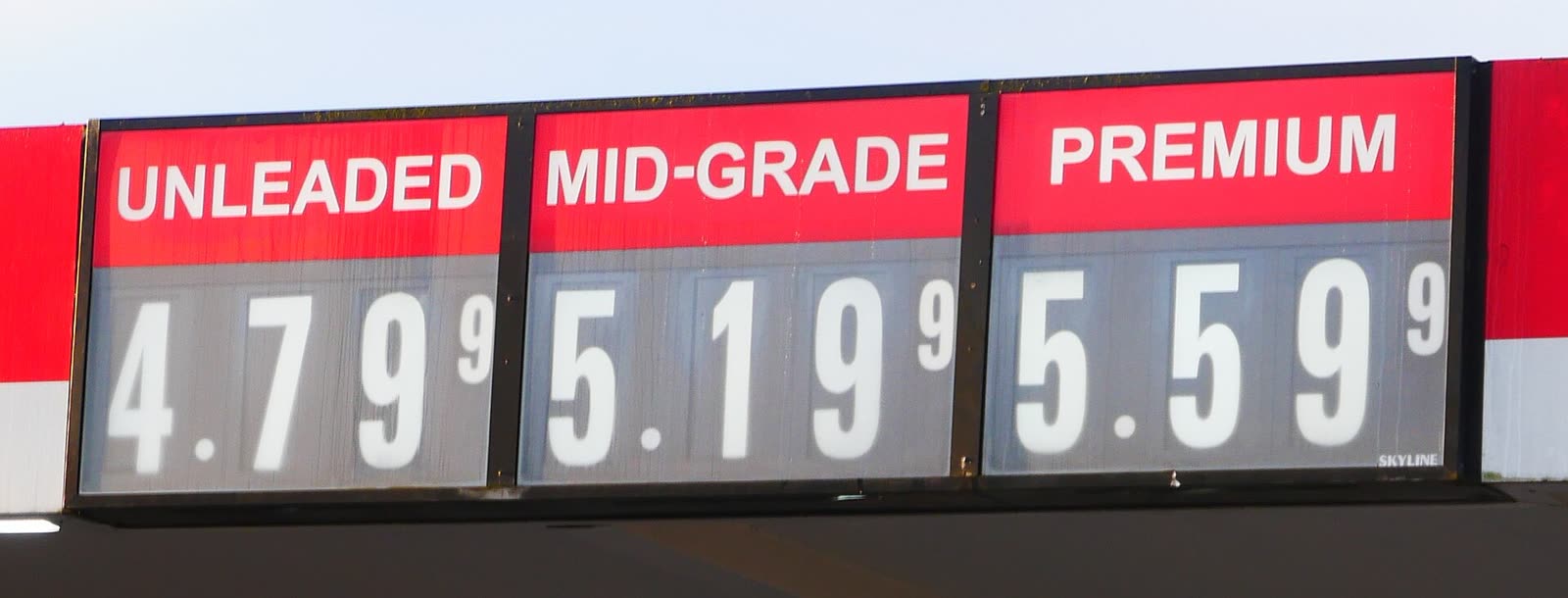
The biggest driver was gasoline: it rose 9.1% in a single month and accounted for more than half of the monthly increase.
Two numbers: 3.7% and 2.6%
Every inflation report has two headline figures:
- Headline inflation — everything, including food and energy: 3.7% over the year, 0.6% for the month;
- Core inflation — excluding food and energy, the most volatile prices: 2.6% over the year, 0.3% for the month.
Gasoline can jump sharply in one month, so the US central bank (the Fed) pays more attention to core prices — the longer-term trend. The problem is that core prices also rose faster than expected this time: economists expected 0.2% for the month, the actual figure was 0.3% (Trading Economics).
Why this matters for stocks
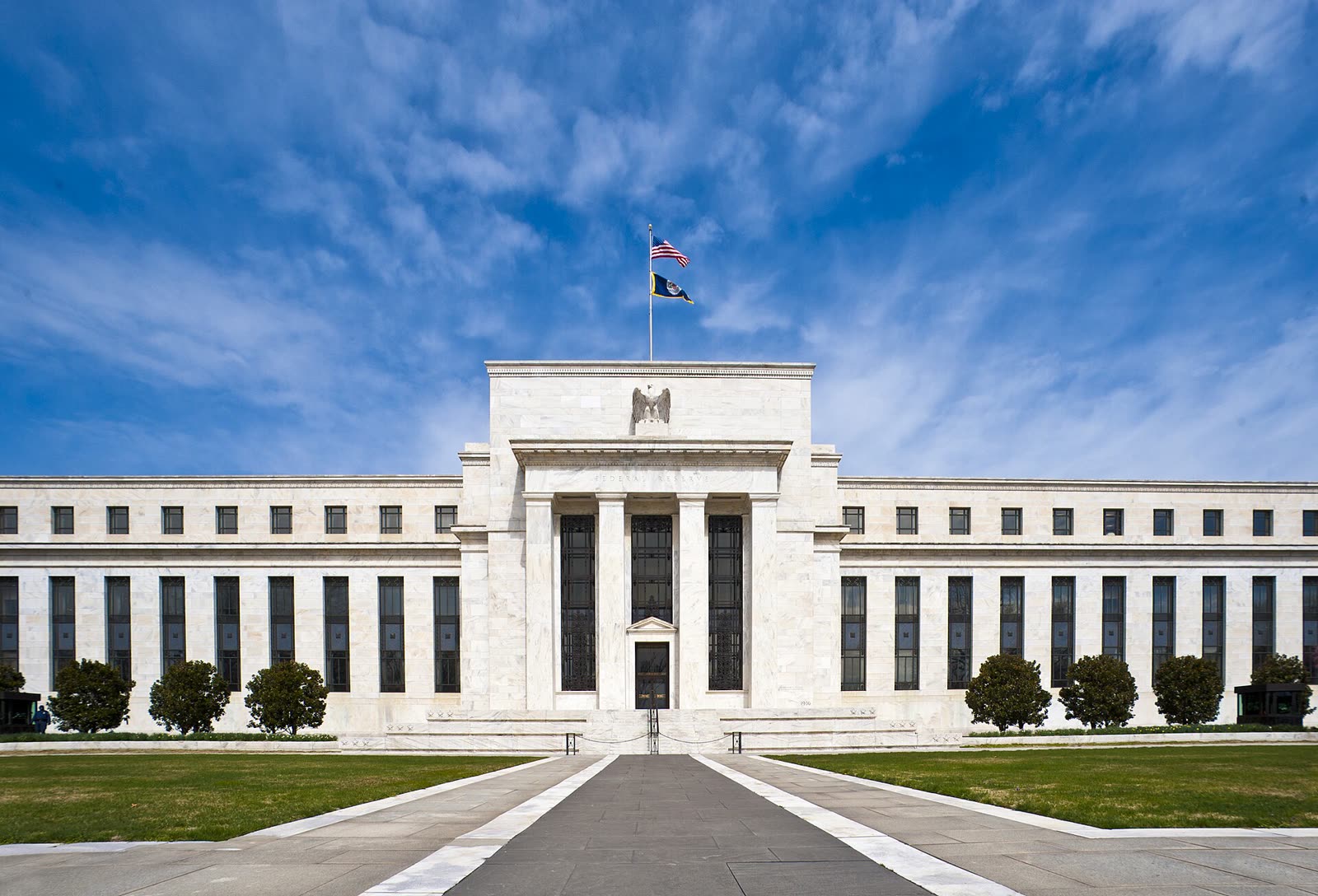
To slow price growth the Fed raises its rate — the price of borrowing. On September 16, 2026 it raised the target range by 0.25 points to 3.75–4.00% (Fed statement). When borrowing gets more expensive, growth costs companies more, and investors are willing to pay less for future earnings — stocks come under pressure. We cover the basics in our macro primer.
How markets reacted
 Korea Exchange
 South Korea
- October 15: South Korea's Kospi fell 7.6% in a day, led by a chip-stock sell-off. According to the Korea Herald, one of the reasons was concern that the Fed could raise rates again after the inflation data (Korea Herald);
- As of October 14, CME FedWatch put the probability of a hike at the October meeting at about 51.5% — up from 23.8% a day earlier (InvestmentNews). One report more than doubled the market's expectation.
What to watch next
- October 27–28 — the Fed meeting and its next rate decision (Fed calendar);
- November 10 — BLS releases October inflation.
- The short lesson: inflation is the market's weather. When prices speed up, rate expectations shift, and stocks respond — even when no company has any news.
For information only — not investment advice. Figures refer to the dates shown; check the sources for current values.
Terms in this article
Check halal stocks yourself
Verdicts, ratios and last check dates for every NASDAQ and NYSE stock.
Related articles
- Market reviewFed rates, inflation and the stock market: the minimum macro for investorsWhat the Fed rate and CPI are, why they move stocks and how a halal investor relates to interest rates — the minimum to know without being an economist.
- NewsAnthropic plans to go public: $2T expected — who sets that price?AI company Anthropic is reportedly preparing a November IPO. What an IPO is, where the $2T figure comes from, why one analyst says $150B, and why the date is not official yet.
- NewsWill Tesla and SpaceX merge? For now it is a rumor — nothing is confirmedBarclays says a Tesla–SpaceX merger announcement could come before December. Neither company has confirmed anything. What a share-swap merger is and how to tell a rumor from a fact.