On October 19, 2026, Brent crude settled at $109.55 a barrel — a five-month high. During trading on October 20 it touched $111.99 (Reuters). Screens show a round $110. A year earlier, on the same day, a barrel cost $61 — a rise of ~80%.
This number is not only for oil traders. Three questions: what happened, how the price reaches you, and why it is in no hurry to come down.
 Saudi Arabia
 USA
What happened
Risk in the Middle East has risen. There are two reports — and they are not equally reliable:
- A claim: Yemen's Houthis say they struck oil sites in Saudi Arabia — an Aramco facility in Yanbu and the Shaybah oilfield — as well as airports in Riyadh and Abha. Saudi authorities did not confirm it, and Reuters could not independently verify it.
- What was observed: according to Kpler, at least 18 vessels were reportedly attacked in the Gulf over the past two weeks.
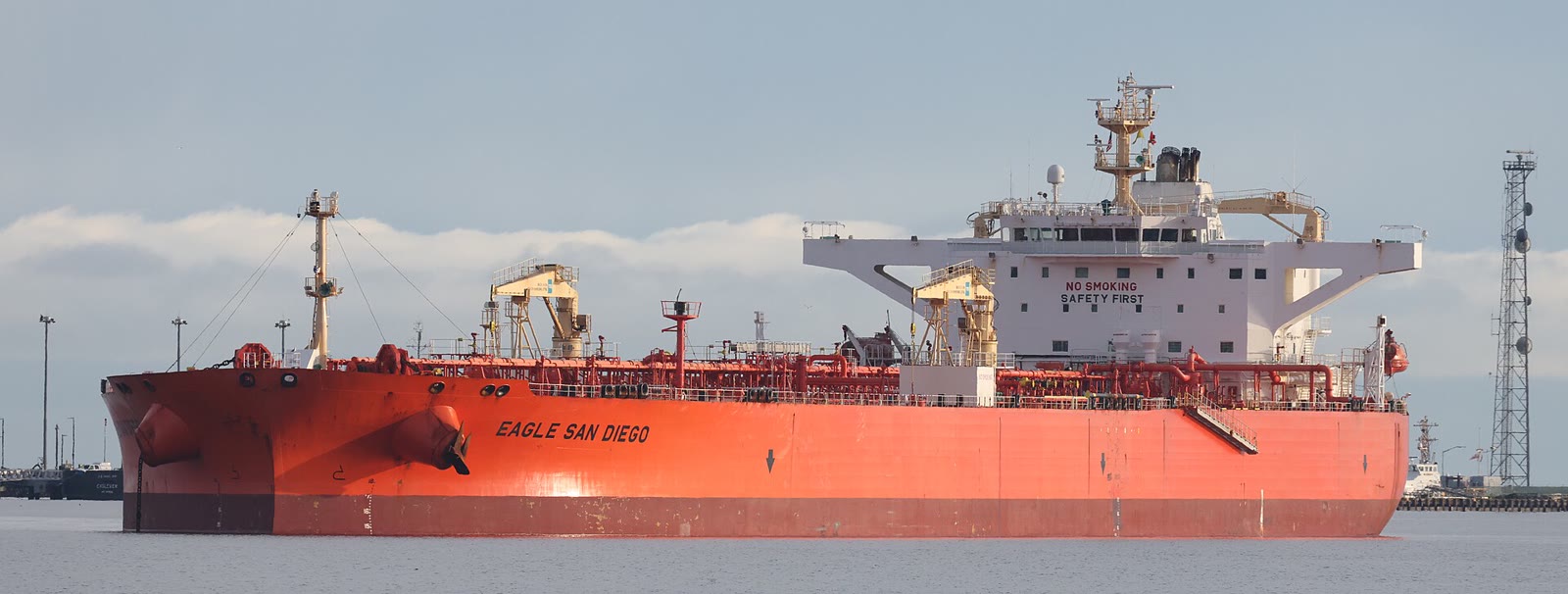
Even before supply actually stops, the market prices in a possible disruption: buyers agree to pay more today because there might not be enough tomorrow. As Bloomberg reported, Brent reached $110 on October 16 for the first time since May (World Oil).
The chain: from oil to the store
The price of oil reaches everyday prices through several links:
- Crude oil — the raw material; the barrel price is set on the world market;
- Gasoline and diesel — made at a refinery; when crude gets more expensive, so do they;
- Transport — when fuel for trucks, trains and planes costs more, shipping costs rise;
- The store — every product that had to be shipped carries that cost in its price.
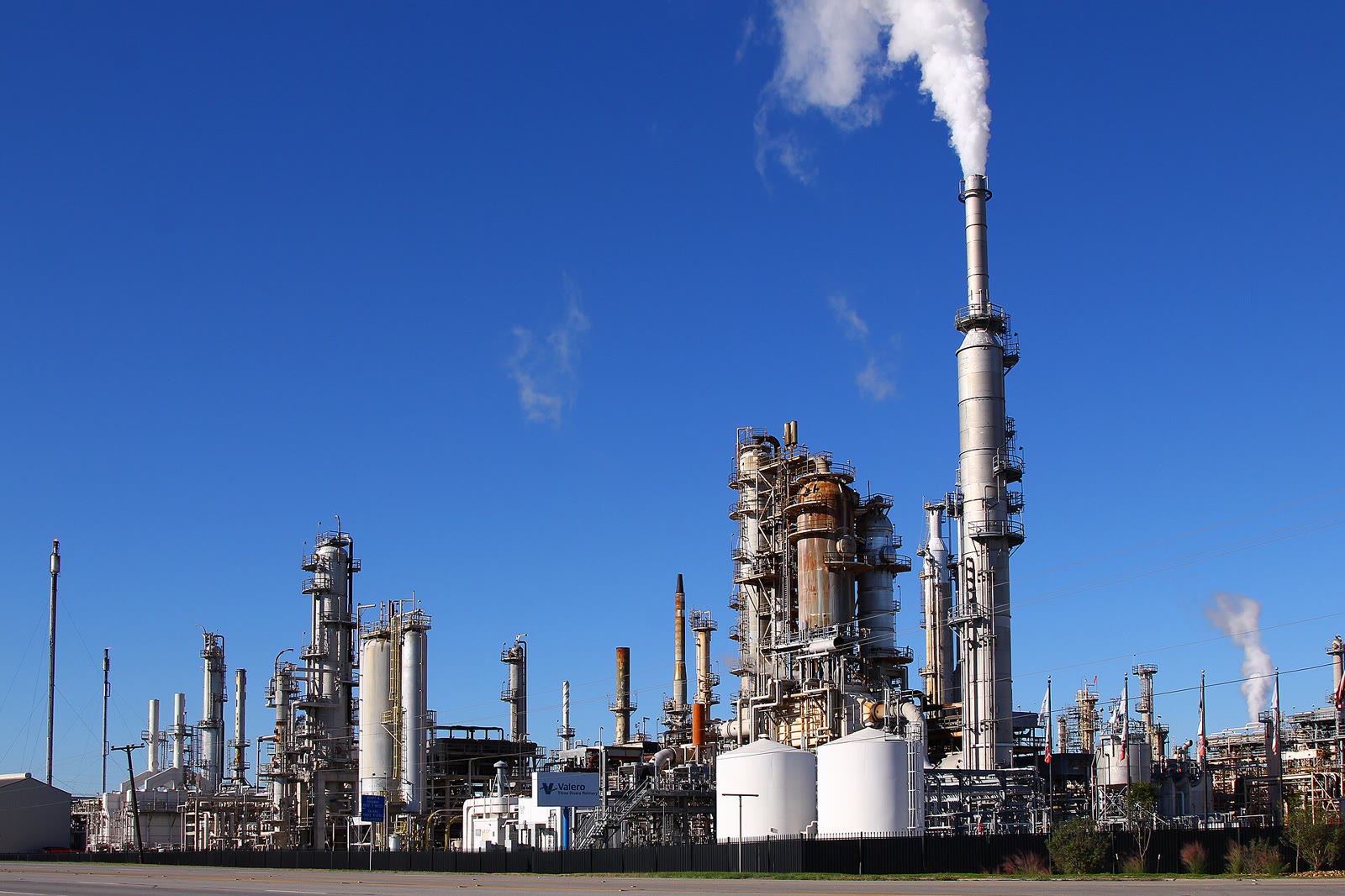
That is why gasoline was one of the biggest drivers in the latest US inflation report — it rose 9.1% in September alone (our inflation article).
What gasoline costs in the US
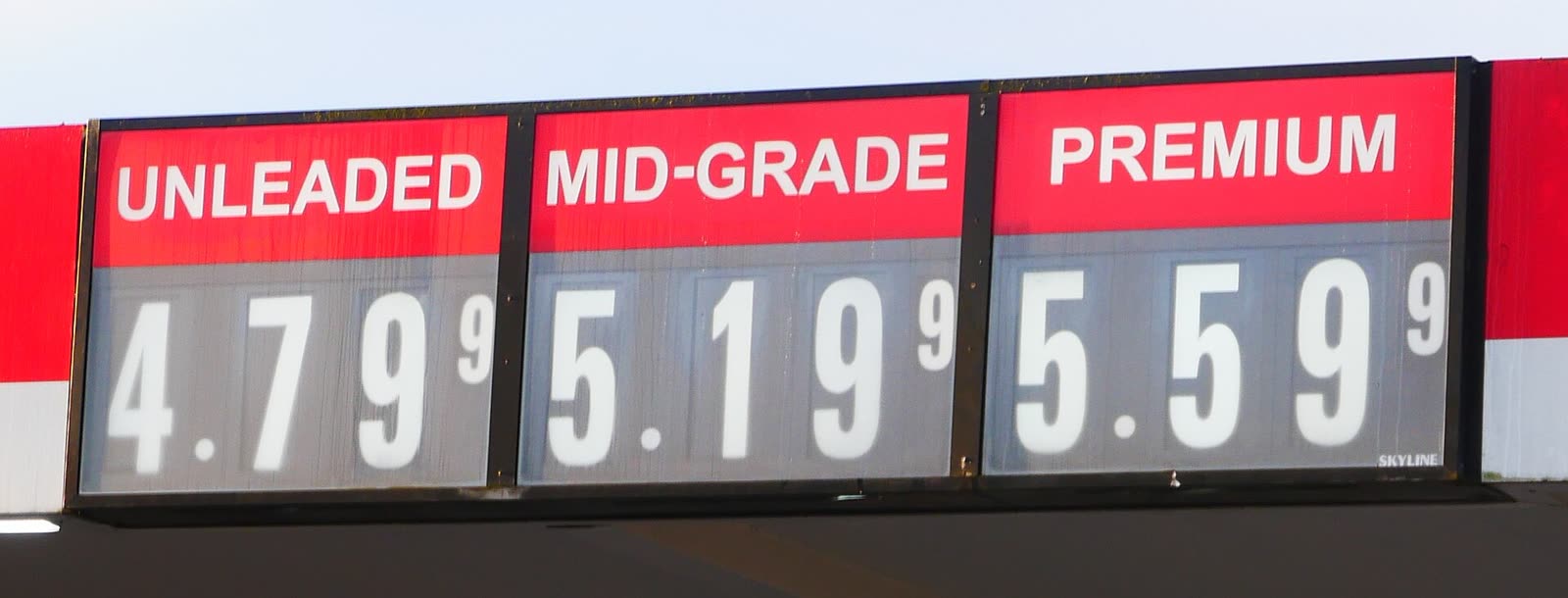
According to AAA, as of October 20 a gallon (≈3.8 liters) of regular gasoline in the US costs $4.28 on average — about $1.13 per liter (AAA). September 2026 was the most expensive September on record: a monthly average of $4.33, 50 cents above the previous September record.
"Rockets and feathers"
Economists have a name for a habit of fuel prices: when oil gets more expensive, gasoline goes up like a rocket; when oil gets cheaper, gasoline comes down like a feather (Fortune). So even if the Middle East risk disappeared tomorrow, the price at the pump would not snap back right away.
What to watch
- An official confirmation or denial of the Houthi claims — if they are not confirmed, the "price" of risk may shrink;
- Shipping in the Gulf — whether attacks stop or spread shows up in the oil price first;
- October 27–28 — the US Fed meeting: expensive fuel keeps inflation up, which feeds into the rate decision (macro primer).
The short lesson: a distant risk becomes a local price. The price of oil is inside the price of almost everything.
For information only — not investment advice. Figures refer to the stated dates; check the sources for current values.
Terms in this article
Check halal stocks yourself
Verdicts, ratios and last check dates for every NASDAQ and NYSE stock.
Related articles
- NewsUS inflation rose to 3.7%: why it matters for stocksThe September report released on October 14: prices up 3.7% over a year, core prices faster than expected. What happened, how markets reacted and what to watch on October 27–28.
- Market reviewFed rates, inflation and the stock market: the minimum macro for investorsWhat the Fed rate and CPI are, why they move stocks and how a halal investor relates to interest rates — the minimum to know without being an economist.
- NewsAnthropic plans to go public: $2T expected — who sets that price?AI company Anthropic is reportedly preparing a November IPO. What an IPO is, where the $2T figure comes from, why one analyst says $150B, and why the date is not official yet.