"Gold never gets cheaper" — you have probably heard it many times. 2026 put that to the test. As of October 20, an ounce of gold (≈31.1 grams) costs about $4,120 (Reuters) — 26% below its January record.
Three questions: what happened, why, and what we can learn from it.
 Federal Reserve
 USA
What happened
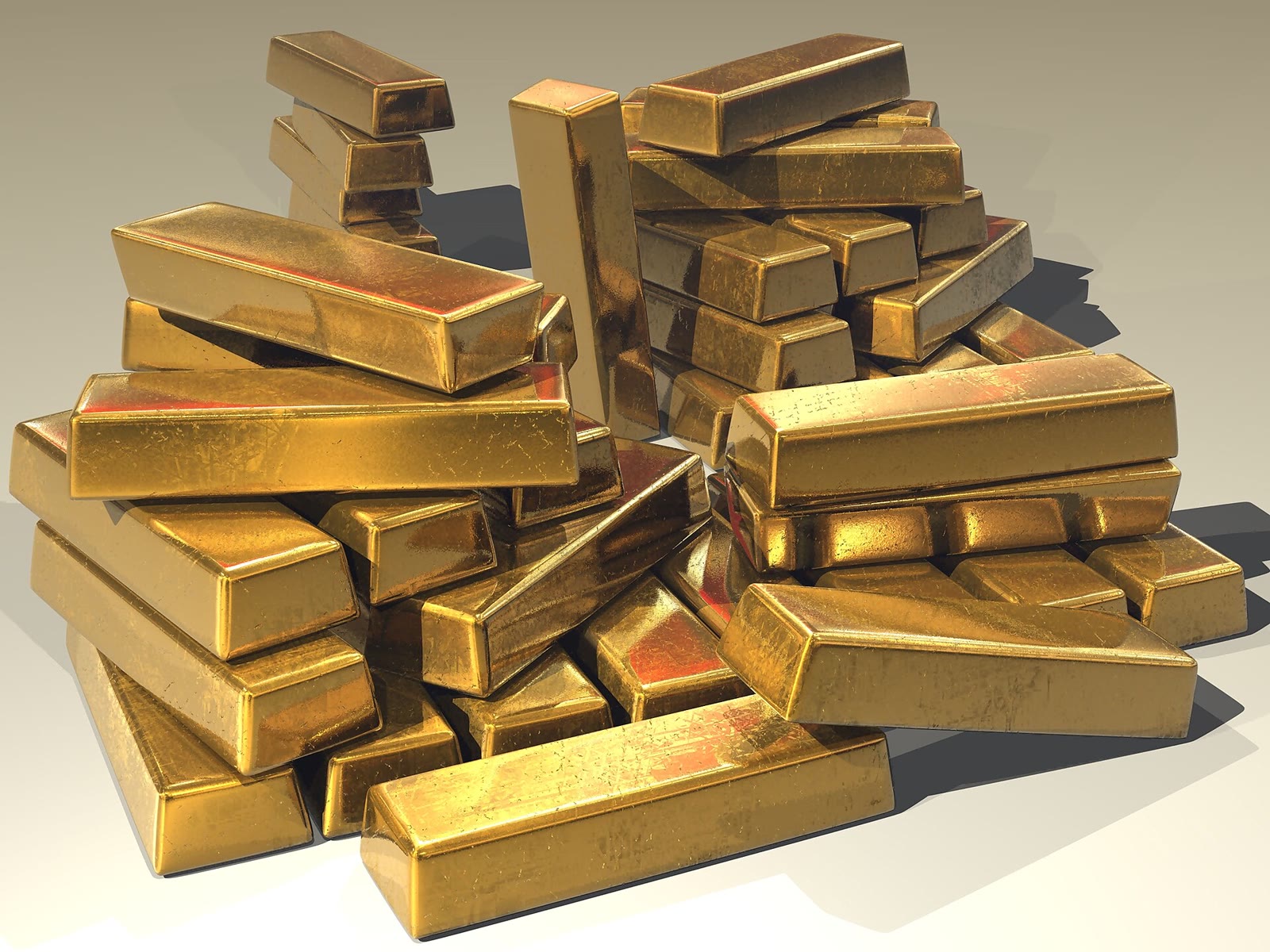
- January 29 — gold set an all-time intraday record of ~$5,595 an ounce (Seoul Economic Daily).
- January 30 — it fell ~9% in a single day. According to Reuters, it was the steepest daily drop since 1983 (Reuters). The trigger: the US president's announcement of Kevin Warsh as his pick for Fed chair and a sharp rally in the dollar (Morningstar).
- The months after — the decline continued with swings. A year ago gold futures were ~$4,359; now ~$4,145: −5% over the year.
Why: gold pays nothing
A gold bar pays you no dividend and no rent — its value is only its price. That is why large investors always compare gold with the alternatives.
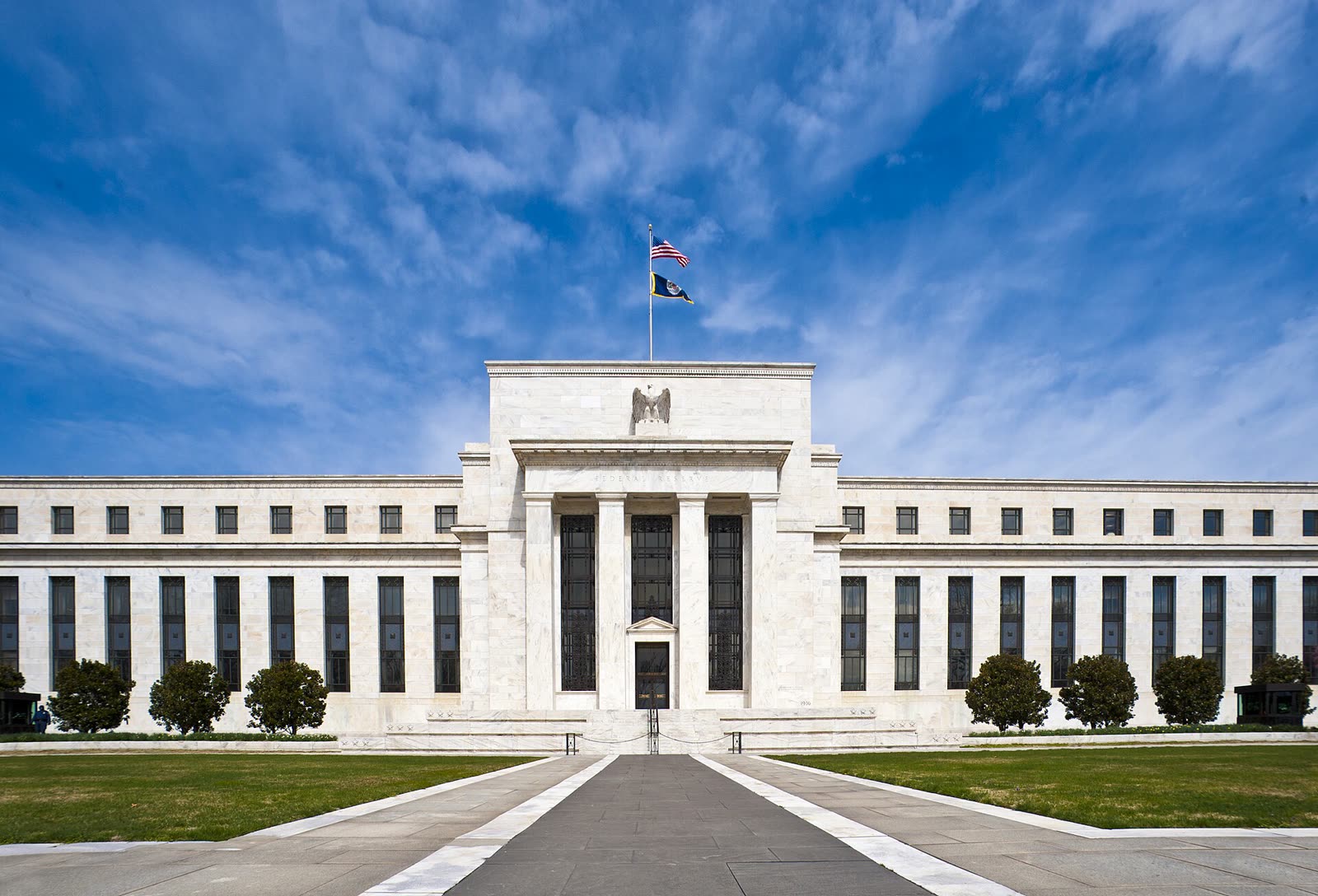
In 2026 those alternatives got stronger:
- On September 16 the Fed raised rates to a 3.75–4.00% target range (our inflation article);
- The 10-year US Treasury yield was 5.09–5.21% on October 13–16 (Fed H.15).
When income-paying assets offer more than 5%, holding gold that "pays nothing" becomes more expensive for big funds — they sell, and the price falls. (Interest is impermissible in the view of many Islamic scholars. This only explains how the market works; bonds are not being recommended.)
The paradox: risk went up, gold did not
Gold usually rises as a "safe haven" in times of war and uncertainty. Yet over the year:
- oil rose ~80% on Middle East risk (our oil article);
- gold fell ~5%.
One more striking fact: according to Goldman Sachs, central banks bought an average of ~91 tons of gold a month over the past three months — versus 17 tons a month before 2022. A big buyer was there, and the price still fell: prices are set not by one buyer but by the whole market.
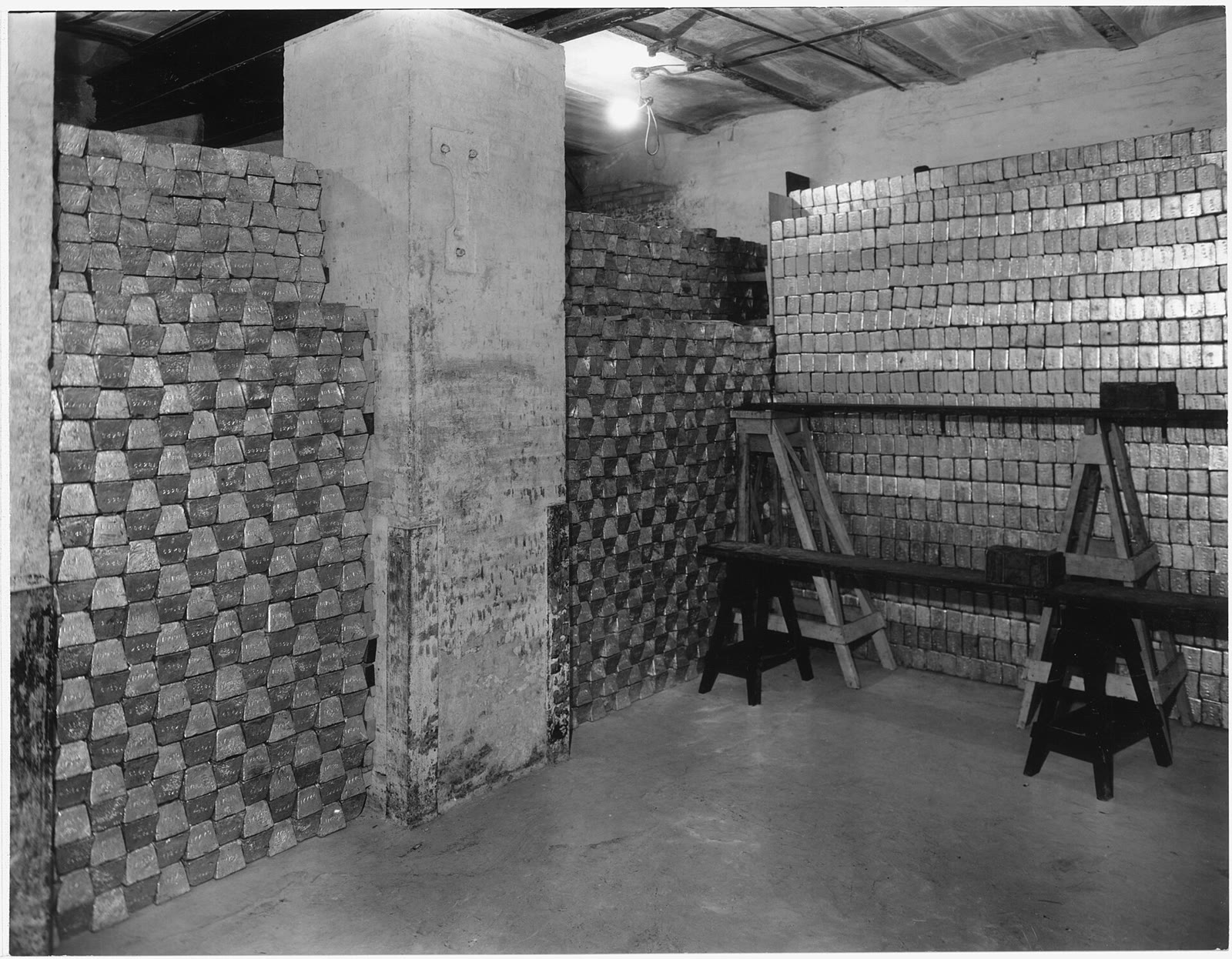
The lesson
- "Safe" does not mean "never falls". Gold may hold value over the long run, but it can also fall deeply for months — 2026 showed it.
- A record is not a guarantee. At the top, everyone says "it only goes up from here"; that very day can come right before one of the worst.
- Price depends on the alternatives. Even if an asset itself does not change, its price changes when other opportunities do.
Also keep in mind: Islamic law sets specific conditions for trading gold and silver (such as hand-to-hand exchange). Ask scholars which forms of investing in gold are permissible.
What to watch
- October 27–28 — the Fed meeting: the rate decision feeds directly into gold;
- Treasury yields — if they fall back below 5%, the pressure on gold may ease.
For information only — neither investment advice nor a fatwa. Figures refer to the stated dates; check the sources for current values.
Terms in this article
Check halal stocks yourself
Verdicts, ratios and last check dates for every NASDAQ and NYSE stock.
Related articles
- NewsUS inflation rose to 3.7%: why it matters for stocksThe September report released on October 14: prices up 3.7% over a year, core prices faster than expected. What happened, how markets reacted and what to watch on October 27–28.
- NewsTesla's Q3 report on October 21: what to watchTesla delivered more cars than expected, but last quarter its profit fell short. What EPS is, where ~$0.45 comes from and what to watch in the October 21 report.
- NewsAnthropic plans to go public: $2T expected — who sets that price?AI company Anthropic is reportedly preparing a November IPO. What an IPO is, where the $2T figure comes from, why one analyst says $150B, and why the date is not official yet.