 since 2012
By the numbers: if you had invested $1,000
5 years ago
$2 709
from Oct 2021 · +22% a year on average
Entire listed history
$4 588
from Apr 2021 · +32% a year on average
Deepest drawdown
-89%
from the Oct 2021 peak to Dec 2022
Now vs. peak
-63%
Sep 2025
Price history — log scale: equal height means equal percentage change
Numbers on the chart match events in the timeline.
Based on monthly closes with dividends reinvested (source: Yahoo Finance, APP). Past performance does not guarantee future results.
The invisible company on your phone
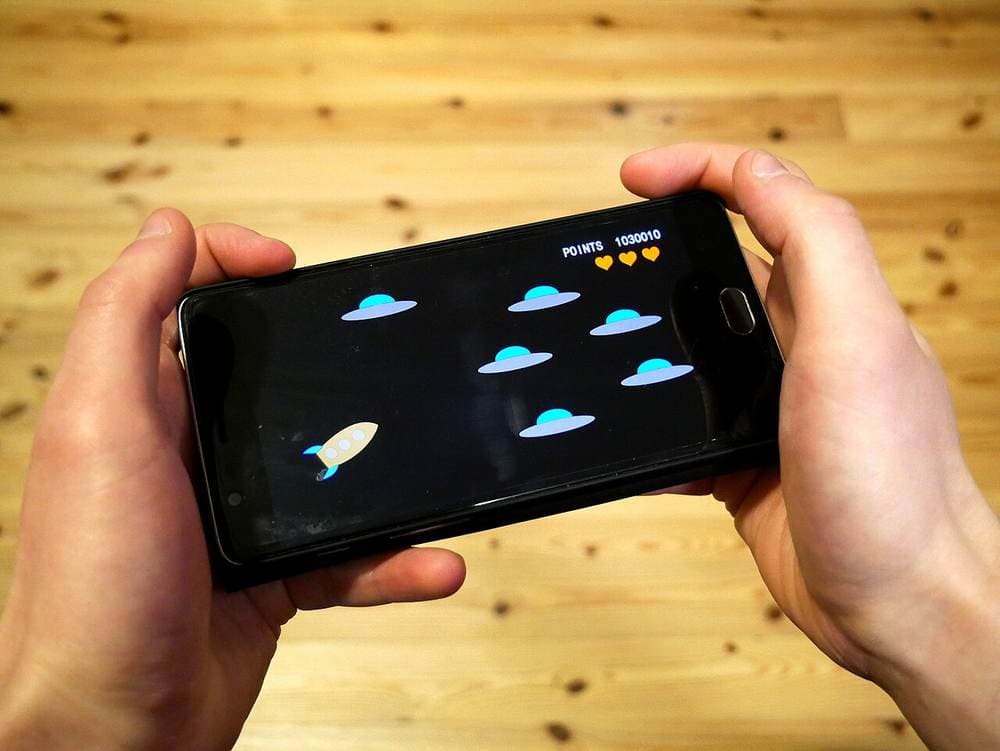
Have you ever played a free game on your phone and watched a 30-second ad between levels? An ad for another game or app? Quite likely, AppLovin decided who would see that ad, and when.
AppLovin is a company whose name most people don't even know. Its product isn't visible on the screen: it is a set of software tools that helps mobile app owners find new users through ads and earn money from ads inside their own apps.
But on the stock market it wrote one of the wildest stories of the 2020s. On plain closing prices (the stock has not split):
- December 27, 2022: ~$9.30;
- December 22, 2025: ~$733.60.
That is roughly 80 times, in three years. $1,000 invested at the low would have been worth more than $78,000 at the peak. (Prices are calculated from Yahoo Finance data and are approximate.)
The cause of this rise was a new version of an ad algorithm. But before getting there, AppLovin had to climb out of a very deep hole.
From stealth startup to IPO
AppLovin was founded in 2012 by Adam Foroughi, John Krystynak and Andrew Karam. Until 2014 the company operated in "stealth mode" and raised $4 million from angel investors.
What made it unusual is that it didn't just sell ad software — it also started owning mobile games itself. In 2018 the investment giant KKR bought a minority stake for $400 million. In the following years AppLovin made a series of acquisitions: game maker Machine Zone (2020), mobile analytics company Adjust (2021), and Twitter's ad platform MoPub (announced in 2021, about $1.05 billion).
As a result, in 2020 about half of revenue came from its ad software and more than half from in-app purchases in games. In other words, AppLovin was at once an "ad tech company" and a "game studio".
On April 15, 2021 the company listed on Nasdaq: shares were sold at $80, and the IPO raised about $2 billion. Mobile games were booming during the pandemic, and investors were enthusiastic. In November 2021 the stock closed at around $115.
Then everything went into reverse.
2022: stalled growth and a 92% crash
2022 was a hard year for tech stocks: interest rates went up and the pandemic "stay at home" boom ended, and the excitement around mobile games faded with it.
AppLovin's numbers stalled. According to its 10-K, revenue grew just 1% in 2022 to $2.82 billion, and the year ended with a $193 million net loss. Some studios in the games portfolio were sold or shut down, and staff were cut.
That same year the company offered to buy Unity, a game engine maker larger than itself, in an all-stock deal worth $17.5 billion. Unity's board rejected it.
The stock kept sliding. On December 27, 2022 it closed at ~$9.30: about 92% below its 2021 peak and almost 90% below the IPO price. An investor who put $10,000 into the IPO was left with roughly $1,200.
At that price the market saw AppLovin as a company that had stopped growing, carried debt ($3.25 billion at the end of 2022) and was tied to a shrinking games market. The market was missing one thing.
AXON 2.0: the algorithm that changed everything
The heart of AppLovin's ad system is a machine-learning model called AXON. Its job sounds simple: out of millions of users, predict exactly which one will install and use an app after seeing a particular ad.
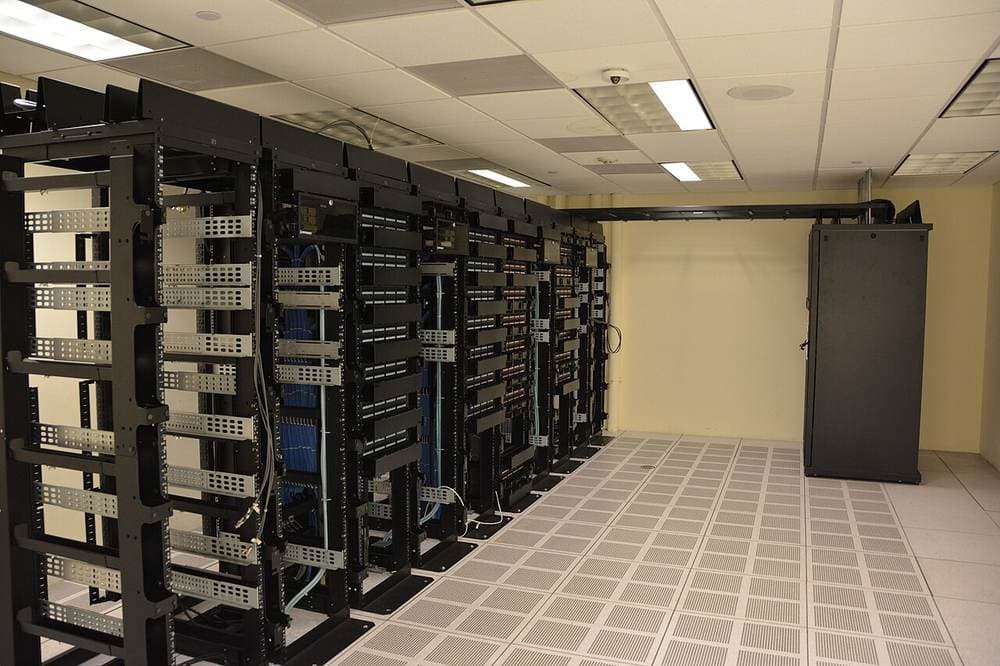
The first version launched in 2021. In spring 2023 the company launched a much stronger new version — AXON 2.0. According to AdExchanger, the model was trained on trillions of in-app events coming in every day from AppLovin's own games. Owning game studios — once seen as a "distraction" — had become a huge data source for the algorithm.
The results showed up immediately. In the second quarter of 2023 software segment revenue grew 28% year over year, and in the third quarter 65%. CEO Foroughi said the new system was "dramatically better than the technologies that we were using" and that its effect on ad campaigns was "immediate" (AdExchanger).
The mechanism is simple: when an advertiser gets more results from every dollar, it spends more dollars. AppLovin takes a share of each ad. When the algorithm improves, both the advertiser and AppLovin earn more.
The numbers ran, the stock ran faster
From then on AppLovin's financial reports became some of the most remarkable in the industry.
- 2024: revenue of $4.71 billion (+43%), advertising segment $3.22 billion (+75%), net income of $1.58 billion — four times the year before.
- 2025: the company sold its game studios to Tripledot and became a pure advertising company (the deal closed in June 2025, total value ~$800 million). For the year, revenue reached $5.48 billion (+70%) and net income $3.33 billion.
AppLovin also moved into new markets. In 2024 it onboarded a few hundred e-commerce advertisers on an invite-only basis; in March 2025 it said this business had reached a billion-dollar run-rate; and in October it rebranded its ad platform as Axon.
The stock "sensed" all this in advance. In 2024 alone it rose more than 700% — according to CNBC, the biggest gain among U.S. tech companies. On September 22, 2025 AppLovin joined the S&P 500. On December 22, 2025 the stock closed at ~$733.60 — about 80 times its low.
But growth that fast always attracts attention. And not all of it was friendly.
Short sellers and the SEC: allegations and questions
In 2025 AppLovin faced several serious attacks. Everything below consists of allegations and reports; none of them has resulted in a court ruling or regulatory finding.
- February 26, 2025. Short sellers Fuzzy Panda Research and Culper Research published reports. They criticized the company's AXON technology; Fuzzy Panda alleged that AppLovin committed ad fraud and illegally tracked children. The stock fell 12% that day.
- March 27, 2025. Muddy Waters alleged that AppLovin "systematically" violates app store terms by extracting proprietary IDs from Meta, Snap, TikTok, Google and others without permission. The stock fell 20% in a day — the biggest one-day drop in its history.
- October 2025. Bloomberg reported that the SEC was examining AppLovin's data-collection practices. The stock fell as much as 19% during the day. No wrongdoing has been alleged against the company; AppLovin said it regularly engages with regulators and would disclose material developments, if any, through public channels.
Foroughi called the short sellers "nefarious", rejected their claims as false, and the company hired well-known lawyer Alex Spiro to investigate their activity.
Meanwhile the stock went through its roughest swings: from the February 2025 peak to April it fell more than 60%, then climbed to new highs. After the December 2025 peak it dropped more than 60% again by early October 2026. Hidden inside the 80x line on the chart are several "lose more than half" episodes.
What this story teaches
- 1
Big gains come from a concrete change in the business
AppLovin stock rose after AXON 2.0 launched and ad revenue and profits jumped. 80x was not "luck" — it was profit multiplying several times over. When studying multibaggers, always ask: what exactly changed?
- 2
The market often sees a turning point late
At the end of 2022 AppLovin was priced as a "stalled game company". Inside, a new algorithm was being prepared. But knowing that in advance was almost impossible — in hindsight everything looks obvious.
- 3
Getting 10x is possible, holding it is hard
Over these three years the stock fell up to 60% several times, while short sellers and regulator reports dominated the headlines. To get the full 80x you had to not sell through all of it — few people manage that.
- 4
A short report is not proof, but ignoring it is a mistake too
Allegations may or may not be true. As an investor, watch the company's response and regulators' actions, and judge how dependent the business is on one ad platform or app store's rules.
- 5
For the halal investor
AppLovin earns money from advertising, and the content of the apps and games it advertises varies. Halal status depends on business activity and financial ratios — check the current status on the APP page and the criteria in the methodology.
Today
Halal status
HalalThe status is re-checked after every quarterly report and may change.
Superinvestors
SEC 13F, 2026 Q3. Up to 45 days delayed.Held by 4 superinvestors · Average reported price: $515.29
- Pat DorseyDorsey Asset Management$226.3M14.5%
- Stephen MandelLone Pine Capital$537.0M3.3%
- Terry SmithFundsmith$358.9M2.6%
- Christopher DavisDavis Advisors$162.7M0.7%
Exited this quarter: Chase Coleman
All superinvestor portfoliosTimeline
2012
AppLovin founded
2018-08
KKR buys a minority stake for $400M
- 1
2021-04
IPO: Nasdaq, at $80
- 2
2021-11
2021 peak: ~$115
- 3
2022-08
$17.5B offer for Unity — rejected
- 4
2022-12
Low: ~$9.30, ~92% below peak
- 5
2023
AXON 2.0 launched, numbers accelerate
- 6
2024-12
Up more than 700% in a year
- 7
2025-03
Muddy Waters report: -20% in a day
- 8
2025-06
Game studios sold to Tripledot
- 9
2025-09
Added to the S&P 500
- 10
2025-10
Bloomberg: SEC examining data-collection practices
- 11
2025-12
Peak: ~80x from the low
Frequently asked questions
What does AppLovin do?+
AppLovin is an advertising platform for mobile apps and games. It helps advertisers find new users and helps app owners earn revenue from ads. At the center of the system is the AXON machine-learning model. Since 2025 the company has sold its own games, focusing purely on advertising, and has moved into e-commerce advertising.
How much did AppLovin stock rise?+
On closing prices, from ~$9.30 on December 27, 2022 to ~$733.60 on December 22, 2025 — roughly 80 times in three years. Before that, the stock had fallen ~92% from its November 2021 peak.
What is AXON 2.0?+
AXON is AppLovin's machine-learning model that decides which ad to show to which user. Its second version, launched in spring 2023, sharply improved ad performance and became the main driver of the company's rapid growth in revenue and profit.
Has AppLovin been accused of fraud?+
In 2025 several short sellers (Fuzzy Panda, Culper, Muddy Waters) accused the company of various violations, and Bloomberg reported that the SEC was examining its data-collection practices. These are allegations and reports; the company rejected the claims and no formal wrongdoing charge has been made against it.
Is AppLovin stock halal?+
Halal status depends on the company's business and financial ratios and can change. See the current status on the APP page on limitup.
For every super-company there are dozens that never made it. For balance, read the Fallen giants stories too. Fallen giants →
Find companies like these yourself
Limitup covers the halal status, financials, superinvestor portfolios and a screener for thousands of US stocks. Check the signs from these stories in today's companies.
Read next
Meta (Facebook) tarixi: yotoqxonadagi saytdan 3 milliard odamning kundalik odatigacha
Talaba yozgan sayt, $1 mlrd lik taklifni rad etgan 22 yoshli asoschi, bir necha bor qulagan aksiya va har safar qaytib chiqqan kompaniya.
6 min read
Google tarixi: $750 000 ga ham sotib olinmagan qidiruv tizimi qanday qilib trillionlik imperiyaga aylandi
Talabalar yotoqxonasida tug'ilgan, deyarli arzimagan pulga sotilib ketayozgan va internetdagi har bir savoldan pul topishni o'rgangan kompaniya.
6 min read
Palantir tarixi: 17 yil zarar ko'rgan "sirli" kompaniya qanday qilib birjaning yulduziga aylandi
Josuslik idoralari uchun dastur yozgan, yillar davomida foyda ko'rmagan, ko'pchilik tushunmagan va baribir sun'iy intellekt to'lqinida eng ko'p o'sgan aksiyalardan biriga aylangan kompaniya.
6 min read
Nvidia tarixi: bankrotlikka 30 kun qolgan kompaniyadan dunyoning eng qimmat kompaniyasigacha
Yo'l bo'yidagi oshxonada tug'ilgan, bir necha marta o'limga yaqin kelgan va oxiri sun'iy intellekt davrining asosiy "belkurak sotuvchisi"ga aylangan kompaniya.
8 min read