 since 2004
By the numbers: if you had invested $1,000
5 years ago
$876
from Oct 2021 · -2.6% a year on average
10 years ago
$42 285
from Oct 2016 · +45% a year on average
Entire listed history
$1 510
from Jan 2007 · +2.1% a year on average
Deepest drawdown
-100%
from the Feb 2007 peak to Sep 2011
Now vs. peak
-66%
Mar 2024
Price history — log scale: equal height means equal percentage change
Numbers on the chart match events in the timeline.
Based on monthly closes with dividends reinvested (source: Yahoo Finance, CELH). Past performance does not guarantee future results.
90x in four years
March 2020. Covid panic is dragging down the whole market. Shares of Celsius Holdings, a small Florida energy drink company, drop within a month to about $1.1 (adjusted for the later split).
Four years later, in March 2024, the same stock traded at about $99.6. That is roughly 90 times higher. Even using month-end closing prices, the gain is more than 60x. Put differently, $1,000 invested in spring 2020 became $60,000–90,000 in four years.
There is an interesting history behind this. Just eight years earlier, in 2012, the entire company had a market value of roughly $5 million, according to Wikipedia. The stock traded for a few cents (split-adjusted).
But the most important part of this story is not the rise. It is what came after. The stock that rose 90x lost nearly 80% of its value over the next eleven months. To understand why, we need to start at the beginning: Florida, the mid-2000s and the idea of a "calorie-burning" drink.
The calorie-burning drink
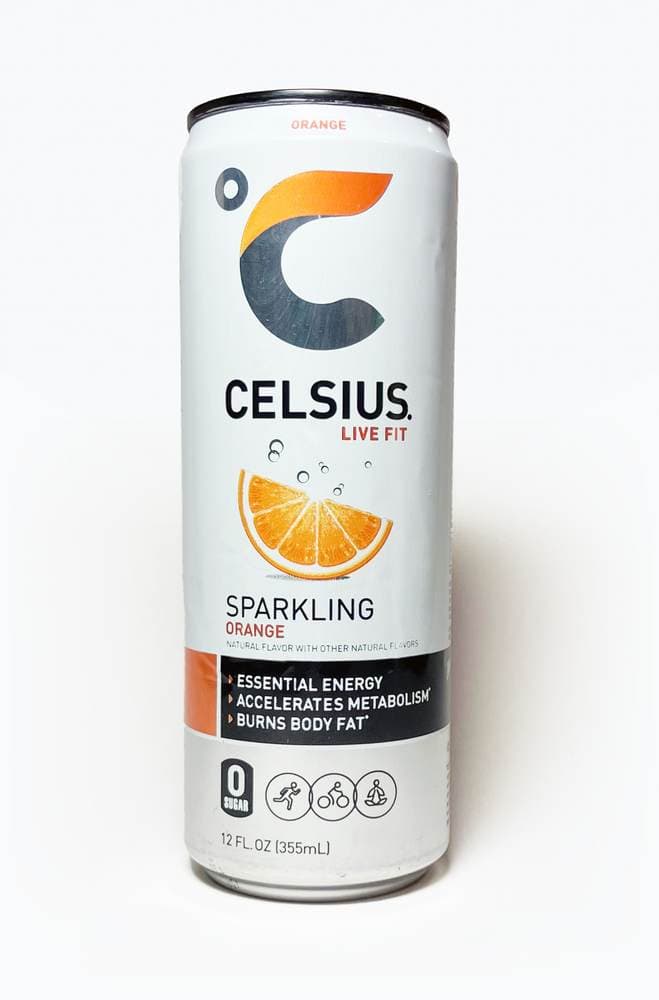
The Celsius idea was born in Florida in the mid-2000s. According to its SEC filings, Celsius Holdings was incorporated in Nevada in 2005, and the first CELSIUS drink came out the same year. In 2007 it merged with Elite FX, the company that developed the drink.
The idea was unusual for its time. While Red Bull and Monster sold "extreme" energy to young people, Celsius positioned itself as a fitness and healthy-lifestyle drink: zero sugar, low calories, with caffeine, green tea extract, ginger, and vitamins. The can carried the slogan "Live Fit" and the claim that it "accelerates metabolism."
In 2008 an important investor arrived: Carl DeSantis, who had founded vitamin maker Rexall Sundown in 1976 and sold it in 2000 for $1.8 billion. That year companies affiliated with DeSantis invested $2.75 million in Celsius. At the time Celsius was a small firm in Delray Beach, quoted over the counter (OTC).
Healthy energy was a strong idea. But a strong idea is not yet a strong business. The following years proved that painfully.
The penny-stock years
2007–2011 were hard years for Celsius. According to Wikipedia, in 2009 the company started selling in Sweden, and in 2010 DeSantis extended a $3 million credit line for an advertising campaign — which did not deliver the expected results. In 2012 management was changed because the business was missing its goals.
The price chart shows that period clearly: based on Yahoo's split-adjusted data, the stock fell more than 99% from early 2007 to 2011. The company had become a "penny stock" that almost nobody noticed.
In this difficult period, in 2012, John Fieldly joined as chief financial officer. From March 2017 he also served as interim CEO, and in April 2018 he was officially named CEO. According to that press release, Celsius had record 2017 sales of $36.2 million — up nearly 60% from 2016. The stock was listed on NASDAQ in 2017.
A small business that was finally growing. What turned that into a real explosion came from an unexpected place: the gym.
From the gym to the supermarket shelf
Celsius looked for customers outside Red Bull's and Monster's usual audience: fitness clubs, young people who work out, people who avoid sugary drinks but still want caffeine. The drink showed up in gym chains such as Planet Fitness, as well as in major retailers such as Costco, Walmart, Target and Kroger.
The numbers speak for themselves (per The Motley Fool):
- 2018: $52.6M in sales
- 2019: $75.1M
- 2020: $130.7M (+74%)
- 2021: $314.3M (+140%)
- 2022: $653.6M (+108%)
In four years revenue grew more than 12-fold. The market pays a very high price for a company doubling its sales — and the stock went from about $1.1 in 2020 to above $36 in November 2021.
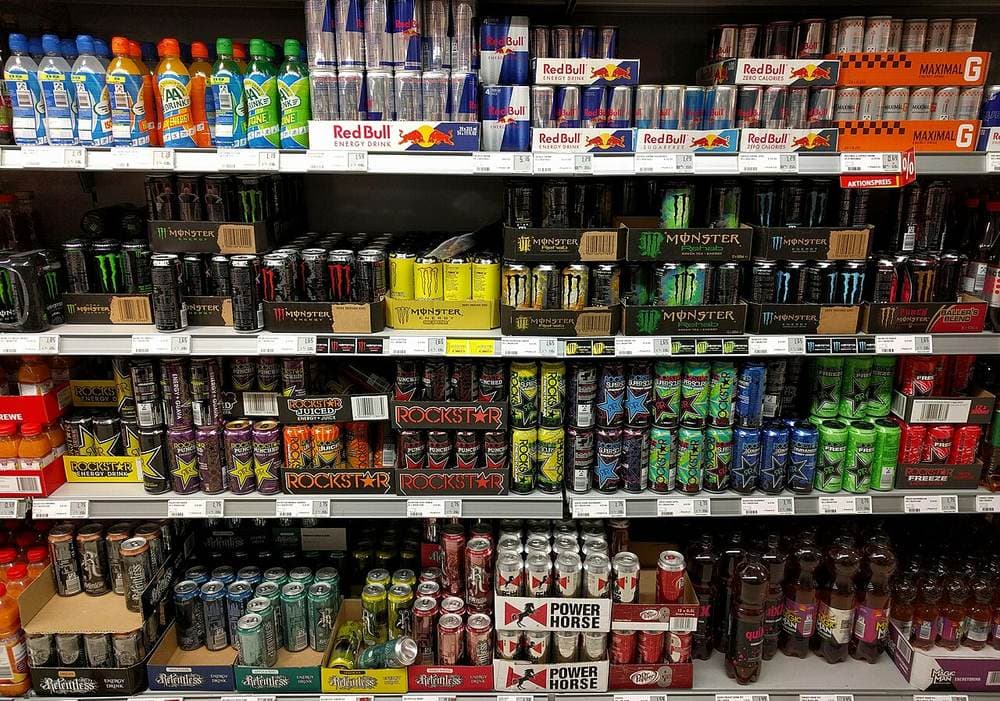
But Celsius had one big problem. In energy drinks the war is won on the store shelf: the more coolers your drink sits in, the more it sells. Monster solved this in 2015 with Coca-Cola. Celsius needed its own giant.
Marriage with Pepsi
August 1, 2022. Celsius and PepsiCo announced a long-term deal:
- PepsiCo made a $550 million net cash investment, receiving convertible preferred stock at $75 per share with a 5% annual dividend — an estimated 8.5% stake.
- PepsiCo became Celsius's main U.S. distributor and its preferred global distribution partner.
- PepsiCo would nominate one director to the Celsius board.
The deal was not cheap: Celsius had to terminate contracts with its old distributors. As a result, the company reported a $186 million loss in the third quarter of 2022, which management attributed mainly to those termination costs.
Then the results came. In 2023 Celsius revenue reached $1.32 billion and net income $227 million. The company became the No. 3 player in U.S. energy drinks after Red Bull and Monster. The stock split 3-for-1 in November 2023 and in March 2024 hit its all-time high of about $99.6.
At that moment everything looked perfect. But the marriage with Pepsi had another side — and it soon showed.
The bullwhip: from 90x to -79%
May 2024. Celsius reported first-quarter results and — rare for this company — missed analysts' revenue expectations. Management blamed inventory management issues at its largest customer, PepsiCo.
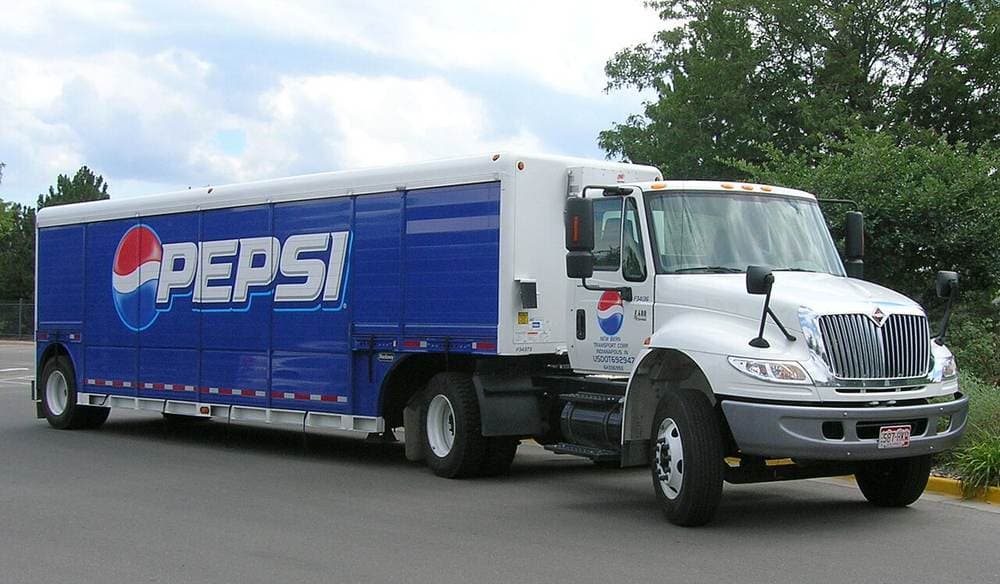
The point is that Celsius's "customer" was not the end consumer but Pepsi. Pepsi had bought and stocked a lot of product earlier, and was now cutting inventory and reducing orders. In supply chains this is called the "bullwhip effect": a small change at the store gets amplified at every step up the chain.
The result was harsh. In the third quarter of 2024 Celsius revenue fell 31% — the first decline since 2018. The company stressed that retail sales were still growing, but the market was not convinced. The stock fell 51.7% in 2024, and by February 2025 it was about 79% below its peak, around $21.
There is an important lesson here. If a large share of your sales depends on one customer, every decision it makes shows up in your results. Even in 2025, 43.2% of Celsius revenue came from sales to Pepsi.
How did Celsius respond? By buying a new brand.
Alani Nu and a new chapter
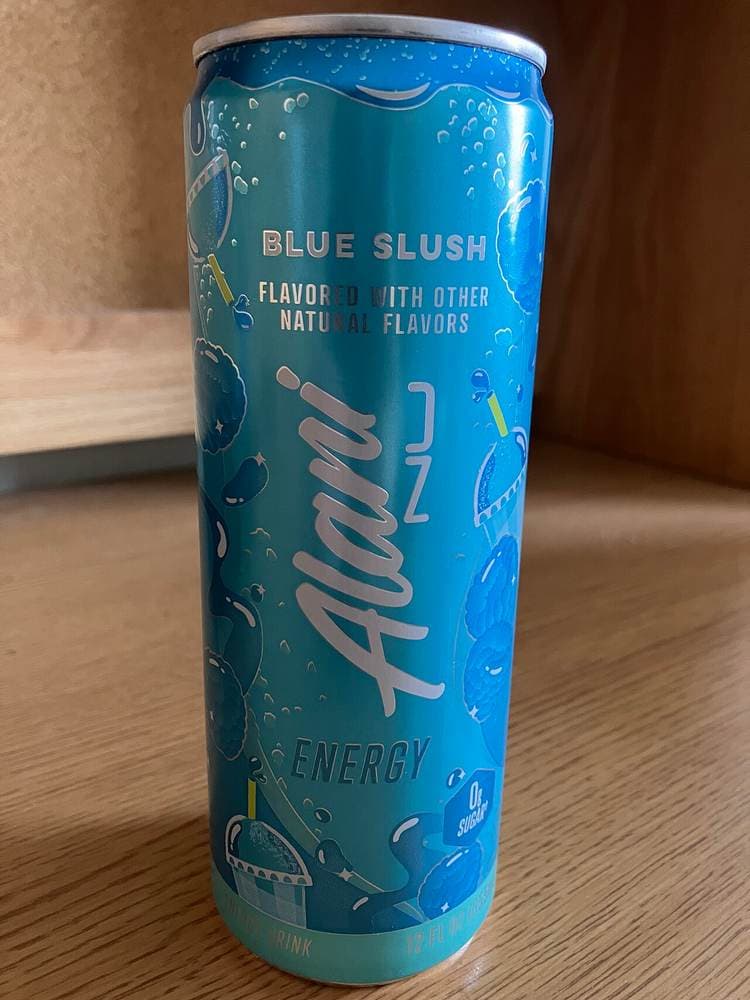
In April 2025 Celsius completed the acquisition of Alani Nu. According to SEC filings, the price was $1.275 billion in cash, 22.45 million Celsius shares and up to $25 million in additional cash (the press reported a headline value of ~$1.8 billion). Alani Nu is a zero-sugar energy drink brand aimed mainly at young women.
In August 2025 the PepsiCo relationship went deeper: Pepsi bought another $585 million of preferred stock, while Celsius took over the Rockstar Energy brand in the U.S. and Canada and began distributing Alani Nu through Pepsi's network. According to press reports, Pepsi's stake rose to about 11%.
The reported numbers are big: 2025 revenue reached $2.52 billion (up from $1.36 billion in 2024), but net income attributable to common shareholders fell from $107.5 million to $63.8 million. Alani Nu now made up nearly 40% of revenue.
In 2026 the questions multiplied. Second-quarter revenue grew 10.6% to $817.9 million but missed analyst expectations, and operating margin fell from 19.3% to 9.2%. Slowing growth of the core CELSIUS brand weighed on the stock again.
The Celsius story is not over. But it shows one thing clearly: a 90x rise is the result of a business that changed — yet to hold that price, the business has to beat expectations every single year.
What this story teaches
- 1
The multiple comes when the business changes
Celsius sold essentially the same drink for 15 years, but the stock only exploded once sales started doubling every year. 10x moves usually come not from a "cheap stock" but from a business that sharply accelerates — so watch revenue momentum, not just the price.
- 2
You can get a 10x; holding it is hard
A stock that rose 90x fell 79% within a year. Investors who bought at the peak stayed underwater for years. The price of a very fast-rising stock already "prepays" future years — even a small slowdown can crush it.
- 3
Dependence on one big customer cuts both ways
PepsiCo put Celsius in every store, but its inventory decisions cut Celsius revenue by 31% in 2024. Look for the "largest customer share" in the annual report: the bigger it is, the higher the risk.
- 4
Not every penny stock is a Celsius
Celsius was worth $5 million in 2012 and later reached billions. But most of the hundreds of penny stocks from that era simply disappeared. When reading a success story, remember those that did not make it (survivorship bias).
- 5
For the halal investor
Energy drinks are not a forbidden product in themselves, but a company's halal status also depends on debt, preferred shares and other financial ratios, and it changes over time. Check the current status on the CELH page.
Today
Halal status
HalalThe status is re-checked after every quarterly report and may change.
Superinvestors
SEC 13F, 2026 Q3. Up to 45 days delayed.Held by 1 superinvestors · Average reported price: $29.28
- First Eagle Investment Management$2.7M0.0%
Exited this quarter: Lee Ainslie
All superinvestor portfoliosTimeline
2005
Celsius Holdings incorporated, first CELSIUS drink launched
- 1
2007-01
Merger with Elite FX
- 2
2008-08
Carl DeSantis-affiliated companies invest $2.75M
- 3
2011
Stock more than 99% below early 2007
- 4
2012
Management change; market value ~$5M; John Fieldly joins as CFO
- 5
2017
Record sales of $36.2M; stock listed on NASDAQ
- 6
2018-04
John Fieldly named CEO
- 7
2020-03
Stock at ~$1.1 — start of the 90x run
- 8
2021
Revenue up 140% to $314.3M
- 9
2022-08
PepsiCo invests $550M and becomes distributor
- 10
2023-11
3-for-1 stock split
- 11
2024-03
All-time high ~$99.6
- 12
2024-05
Pepsi destocking; first-quarter miss
- 13
2025-02
Stock ~79% below the peak
- 14
2025-04
Alani Nu acquired
- 15
2025-08
Another $585M from Pepsi; Rockstar brand in U.S. and Canada moves to Celsius
Frequently asked questions
How much did Celsius stock rise?+
Based on Yahoo's split-adjusted monthly data, the stock rose from ~$1.1 in March 2020 to ~$99.6 in March 2024 — roughly 90x (about 60x on month-end closes). The Motley Fool calculated a gain of more than 30,000% over 2013–2023.
Why did Celsius stock fall in 2024?+
Its main distributor PepsiCo cut inventory and reduced orders. Celsius revenue fell 31% in the third quarter of 2024, the stock dropped 51.7% for the year, and by February 2025 it was ~79% below its peak.
Who owns Celsius?+
Celsius Holdings is a public company traded on NASDAQ (CELH). PepsiCo has been a major partner and shareholder since 2022, with its stake reaching about 11% in 2025. John Fieldly has been CEO since 2018.
Is Celsius stock halal?+
Halal status depends on the company's business and financial ratios and can change over time. See the current status on the CELH page on limitup.
For every super-company there are dozens that never made it. For balance, read the Fallen giants stories too. Fallen giants →
Find companies like these yourself
Limitup covers the halal status, financials, superinvestor portfolios and a screener for thousands of US stocks. Check the signs from these stories in today's companies.
Read next

Monster Beverage tarixi: sharbat sotgan kichik kompaniya qanday qilib Apple va Nvidia'dan ham ko'proq o'sdi
Texnologiya ham, ixtiro ham yo'q — faqat energetik ichimlik, kattaroq banka va to'g'ri hamkor. Lekin 2000-yildan beri AQShda eng ko'p o'sgan aksiyalardan biri aynan shu.
5 min read
Coca-Cola tarixi: dorixonadagi siropdan 60 yildan ortiq dividend oshirgan imperiyagacha
Birinchi yili kuniga o'rtacha to'qqiz stakan sotilgan ichimlik bugun deyarli butun dunyoda ichiladi. Kompaniya ham bu yo'lda bir necha marta katta xato qilgan.
6 min read
Costco tarixi: kam foyda bilan savdo qilib, aksiyadorlarini boy qilgan do'kon
Bezaksiz omborxona, katta qutilar va 40 yil o'zgarmagan $1.50 lik hot-dog. Costco xaridorlarga qancha ko'p yaxshilik qilgan bo'lsa, aksiyadorlariga ham shuncha ko'p pul ishlab bergan.
7 min read
The e.l.f. Beauty story: from one-dollar makeup to a 33x stock in five years
In early 2019 e.l.f. stock was worth less than half its IPO price. Five years later it was up 33x — thanks to TikTok, cheap "dupes" and one bold decision.
6 min read