 since 2004
By the numbers: if you had invested $1,000
5 years ago
$3 514
from Oct 2021 · +29% a year on average
10 years ago
$4 390
from Oct 2016 · +16% a year on average
Entire listed history
$4 037
from Sep 2016 · +15% a year on average
Deepest drawdown
-75%
from the Nov 2016 peak to Feb 2019
Now vs. peak
-46%
Jun 2024
Price history — log scale: equal height means equal percentage change
Numbers on the chart match events in the timeline.
Based on monthly closes with dividends reinvested (source: Yahoo Finance, ELF). Past performance does not guarantee future results.
From half the IPO price to 33x
February 2019. Shares of cosmetics company e.l.f. Beauty fall within a month to about $6.7. That was 60% below the IPO price ($17) of just two and a half years earlier, and about 79% below the late-2016 peak. Stores were closing, sales were shrinking, and investors had given up on the company.
Five years later, in March 2024, the same stock reached about $222. That is roughly 33 times the low. $1,000 invested in early 2019 became more than $30,000 in five years.
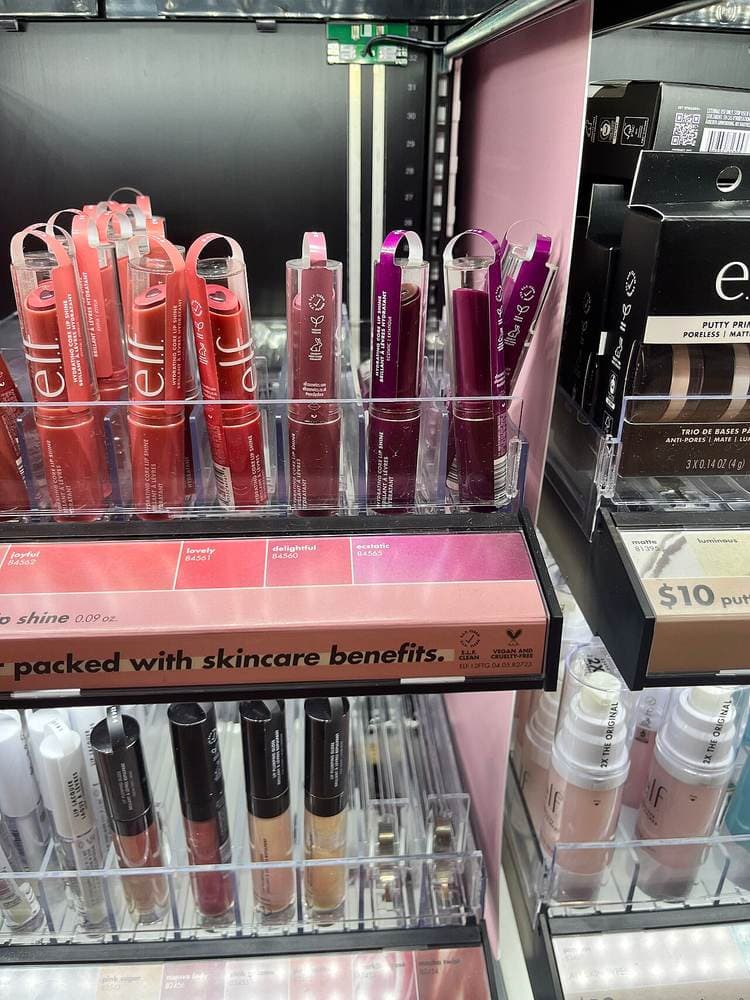
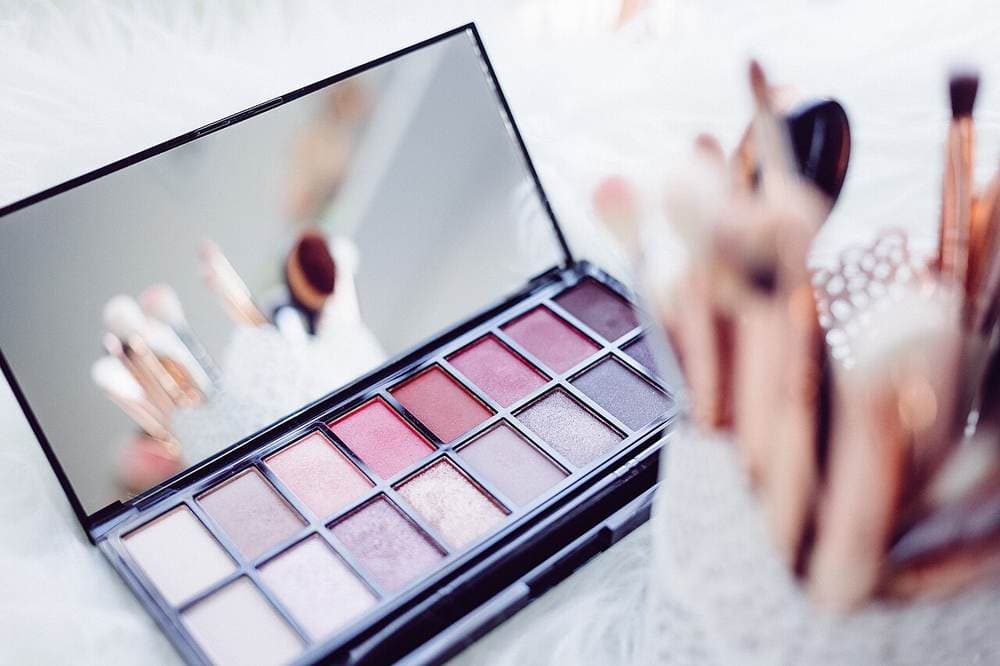
Moves like this are usually expected from tech companies. e.l.f. sells lipstick, mascara and powder — ordinary makeup with an average price of about $9. So how did "cheap makeup" become one of Wall Street's best stocks?
And why did it then lose more than three quarters of its value again? The answer starts in 2004, with one-dollar products.
Everything for a dollar
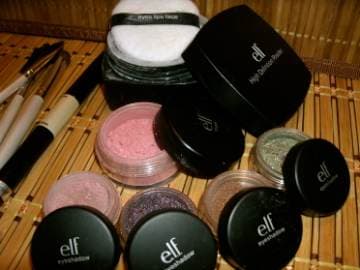
June 2004. Joseph (Joey) Shamah and Scott-Vincent Borba, with help from Shamah's father Alan, launch a new cosmetics brand. Its name — e.l.f. — stands for eyes, lips, face.
The idea was simple: sell good-quality makeup at a very low price. The company started with 13 products, most of them priced at just $1. Next to expensive brands, this let a lot of people "just try it."
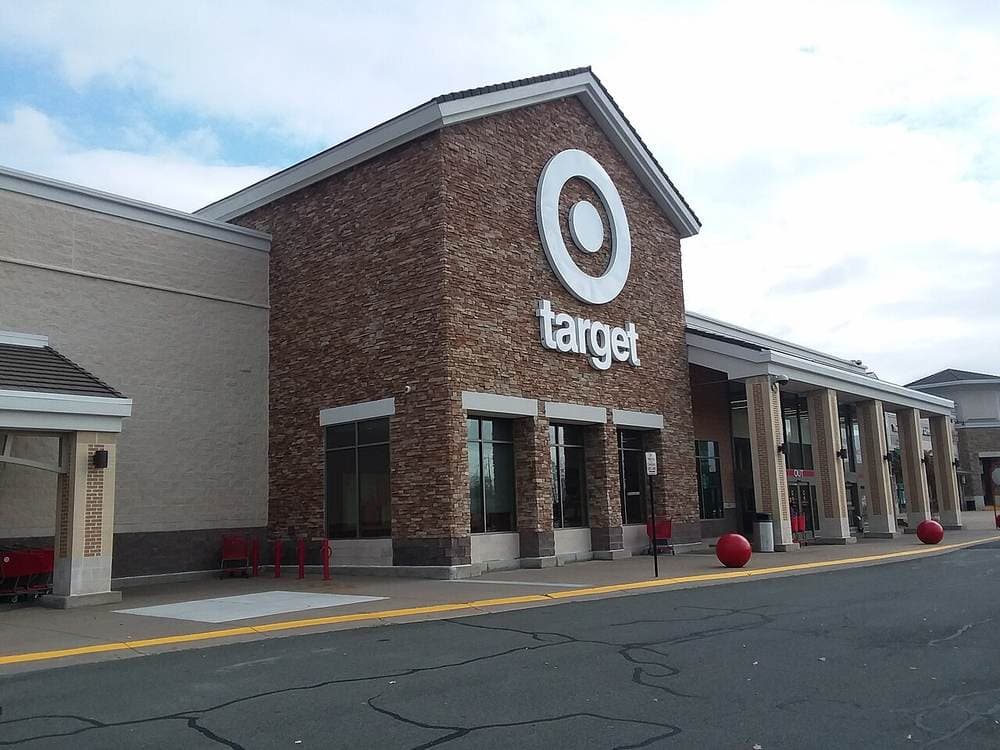
In March 2010, e.l.f.'s $1 and Studio lines went into more than 700 Target stores, and the partnership expanded in 2011. The brand was no longer just an online curiosity but a product on the shelves of major retail chains.
In February 2014 private equity firm TPG Growth bought a majority stake. The CEO changed: Tarang Amin replaced Joey Shamah. For a private-equity-owned company, the next step is usually one thing — the stock market.
Going public and the first disappointment
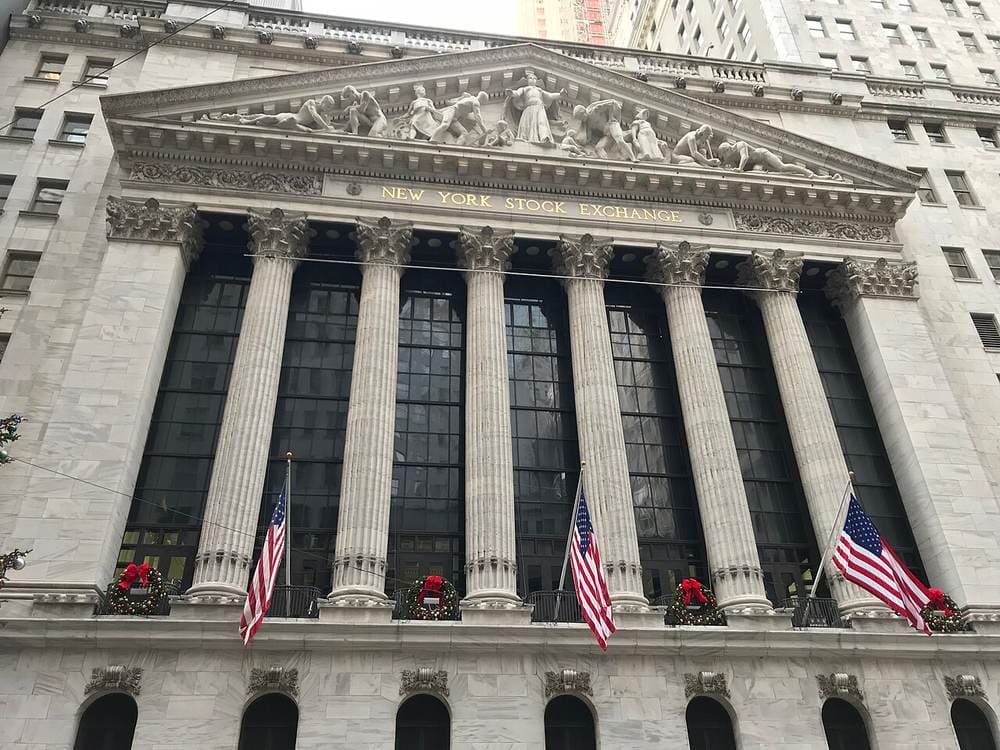
September 22, 2016. e.l.f. Beauty began trading on the New York Stock Exchange (NYSE) under the ticker ELF. Shares were sold at $17 — above the expected $14–16 range.
At first everything went well: within weeks the stock was above $30. Then the problems started. In 2018 e.l.f. sales fell 1% to $267.4 million — the company blamed weaker trends at select national retailers and a decline in discount channels.
The stock collapsed. From a peak of about $32.5 in November 2016 to February 2019 it fell about 79%.
In that same February 2019, Amin made a hard but clear decision: the company would close all 22 of its stores. They made up only 5% of sales. The freed-up money and attention would go to the brand, to big partners — Target and Walmart — and to digital channels. Amin said at the time that the company would refocus on its core advantage: delivering "prestige-quality cosmetics" at low prices.
That decision was the turning point of the story. But what truly made it explode was a new social network.
A billion views in a week
October 2019. e.l.f. launched the #EyesLipsFace challenge on TikTok. For it, the company commissioned an original song — "Eyes. Lips. Face." People started posting their own videos to it.
The result exceeded all expectations. According to the company's December 2019 press release, the challenge passed 4 billion views, and users created more than 2.8 million videos. The song reached No. 4 on Spotify's Global Viral chart. e.l.f. called it "the biggest branded TikTok campaign in history."
This was strategy, not luck. Amin later described e.l.f. as "an entertainment company that happens to sell beauty products." Instead of TV ads, the company invested where young people spend time — TikTok, gaming platforms and creators.
The second weapon was "dupes": cheap alternatives to expensive brands' products. According to CNN's examples, e.l.f.'s Poreless Putty Primer costs $11, while a comparable Tatcha product costs $55. Halo Glow costs $14; Charlotte Tilbury's comparable product, $50. On TikTok, young people compared these pairs and gave e.l.f. free advertising.
Low prices plus viral marketing soon showed up in the financial reports.
Quarter after quarter of growth
In the following years e.l.f.'s reports sounded almost the same: sales up, market share up. By May 2025 the company announced its 25th consecutive quarter of net sales growth and market share gains.
The numbers:
- 2018: $267.4M in sales
- Fiscal 2024 (ended March 2024): $1,023.9M
- Fiscal 2025: $1,313.5M (+28%), with U.S. market share up 190 basis points in a year
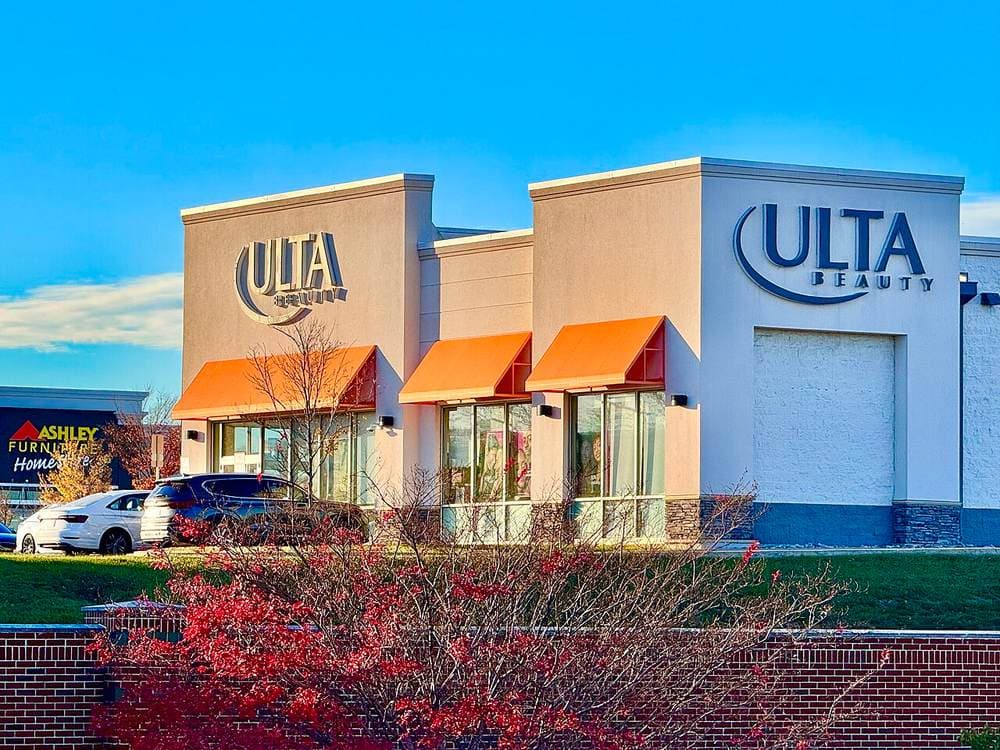
In six years, revenue grew almost fivefold. Meanwhile e.l.f., having closed its own stores, relied on big chains such as Target, Walmart and Ulta Beauty and on its own website — little capital, many partners.
The stock priced in this growth and then some. During 2023 it went from $55 to $144, passed $200 in February 2024 and peaked at about $222 in March. Compared with ~$6.7 in February 2019 — roughly 33x.
But such a price demands one condition: growth must not stop. And investors began to read every new report under a magnifying glass.
Short attack, tariffs and Rhode
From summer 2024 the stock started to slide. Then on November 20 came a blow: well-known short seller Muddy Waters announced a short position in e.l.f. It alleged the company may have overstated revenue by about $135–190 million over the previous three quarters and questioned a change in how it took ownership of goods in China. e.l.f. rejected the allegations. Important: this is a short seller's claim, not a regulator's or court's finding.
In February 2025, citing softer-than-expected trends in January, the company cut its annual sales outlook from $1.315–1.335 billion to $1.30–1.31 billion. The stock fell sharply again within a month and reached about $49 in April 2025 — nearly 78% below its peak.
Then came a new risk — tariffs. According to CNN, about 75% of e.l.f. products were made in China at the time, and in August 2025 the company raised prices by $1.
Amin answered with an acquisition. In May 2025 e.l.f. announced it would buy Rhode, the brand founded by Hailey Bieber: $600 million in cash and $200 million in stock, plus up to $200 million more tied to three years of growth. According to CNN, Rhode launched in 2022 and had $212 million in sales in its prior fiscal year. Meanwhile, growth of the core e.l.f. brand slowed.
The stock swung sharply several more times in the following months. What the e.l.f. story proved is that cheap makeup can rise 33x. What it has not proved is how long that growth can last.
What this story teaches
- 1
The best opportunity sometimes comes when everyone has given up
In early 2019 e.l.f. traded below half its IPO price and sales were falling. But management, with a clear plan, shut the money-losing part (the stores) and focused on its strength. Look at what is changing in the business, not just at the share price.
- 2
You can get a 10x; holding it is hard
A stock that rose 33x fell 78% in less than a year. For investors who bought at the peak, even a great company produced heavy losses. The price of a fast-rising stock already reflects years of future growth.
- 3
Marketing can be a moat too
e.l.f.'s edge was not technology but its ability to speak young people's language. But a trend-based edge changes fast: when growth from "dupes" slowed, the company had to buy a new brand.
- 4
Where products are made is also a risk
When most products are made in one country (China), tariffs or political decisions can change margins overnight. Read the supply chain section of the annual report.
- 5
For the halal investor
Cosmetics are not a forbidden industry in themselves, but a company's halal status also depends on debt and other financial ratios, and it changes over time. Check the current status on the ELF page.
Today
Halal status
HalalThe status is re-checked after every quarterly report and may change.
Timeline
2004-06
Joey Shamah and Scott-Vincent Borba found e.l.f.; products at $1
2010-03
Products enter more than 700 Target stores
2014-02
TPG Growth takes a majority stake; Tarang Amin becomes CEO
- 1
2016-09
NYSE IPO at $17
- 2
2018
Sales fall 1% to $267.4M
- 3
2019-02
22 stores closed; stock ~$6.7 — start of the 33x run
- 4
2019-10
#EyesLipsFace TikTok campaign launches
- 5
2023-10
Naturium skincare brand acquired
- 6
2024-03
All-time high ~$222
- 7
2024-11
Muddy Waters announces a short position
- 8
2025-02
Annual sales outlook cut
- 9
2025-04
Stock ~$49 — ~78% below the peak
- 10
2025-05
Rhode acquisition announced
- 11
2025-08
Prices raised $1 due to tariffs; Rhode deal completed
Frequently asked questions
How much did e.l.f. Beauty stock rise?+
Based on Yahoo's monthly data, the stock rose from ~$6.7 in February 2019 to ~$222 in March 2024 — roughly 33x. On month-end closes (~$8 → ~$209) it is about 26x.
What does e.l.f. stand for?+
e.l.f. stands for "eyes, lips, face." The brand started in 2004 with cheap makeup, mostly priced at $1.
Why did e.l.f. stock fall?+
In November 2024 short seller Muddy Waters accused the company of overstating revenue (e.l.f. denied it), in February 2025 the company cut its annual outlook, and then tariff risk on imports from China was added. By April 2025 the stock was ~78% below its peak.
Is e.l.f. Beauty stock halal?+
Halal status depends on the company's business and financial ratios and can change over time. See the current status on the ELF page on limitup.
For every super-company there are dozens that never made it. For balance, read the Fallen giants stories too. Fallen giants →
Find companies like these yourself
Limitup covers the halal status, financials, superinvestor portfolios and a screener for thousands of US stocks. Check the signs from these stories in today's companies.
Read next
Lululemon tarixi: yoga shimi qanday qilib milliardlik biznesga aylandi
Kanadadagi kichkina yoga zalidan boshlangan brend — sport kiyimini kundalik kiyimga aylantirdi, lekin o'z asoschisining so'zlaridan ham, shaffof shimlardan ham omon qolishga majbur bo'ldi.
6 min read
Costco tarixi: kam foyda bilan savdo qilib, aksiyadorlarini boy qilgan do'kon
Bezaksiz omborxona, katta qutilar va 40 yil o'zgarmagan $1.50 lik hot-dog. Costco xaridorlarga qancha ko'p yaxshilik qilgan bo'lsa, aksiyadorlariga ham shuncha ko'p pul ishlab bergan.
7 min read
The Celsius story: from penny stock to a 90x energy drink in four years
In 2012 the whole company was worth about $5 million. Then a "healthy energy" idea, gyms and Pepsi trucks turned it into one of the market's fastest-rising stocks — and then cut it by more than half again.
7 min read
Zara va Amancio Ortega: temiryo'lchining o'g'li qanday qilib modani tezlashtirib, dunyoning eng boy odamiga aylandi
14 yoshida maktabni tashlab, ko'ylak do'konida xizmatkor bo'lgan bola — reklamasiz, intervyusiz, deyarli ko'rinmasdan butun dunyoning kiyinish tezligini o'zgartirdi.
6 min read